
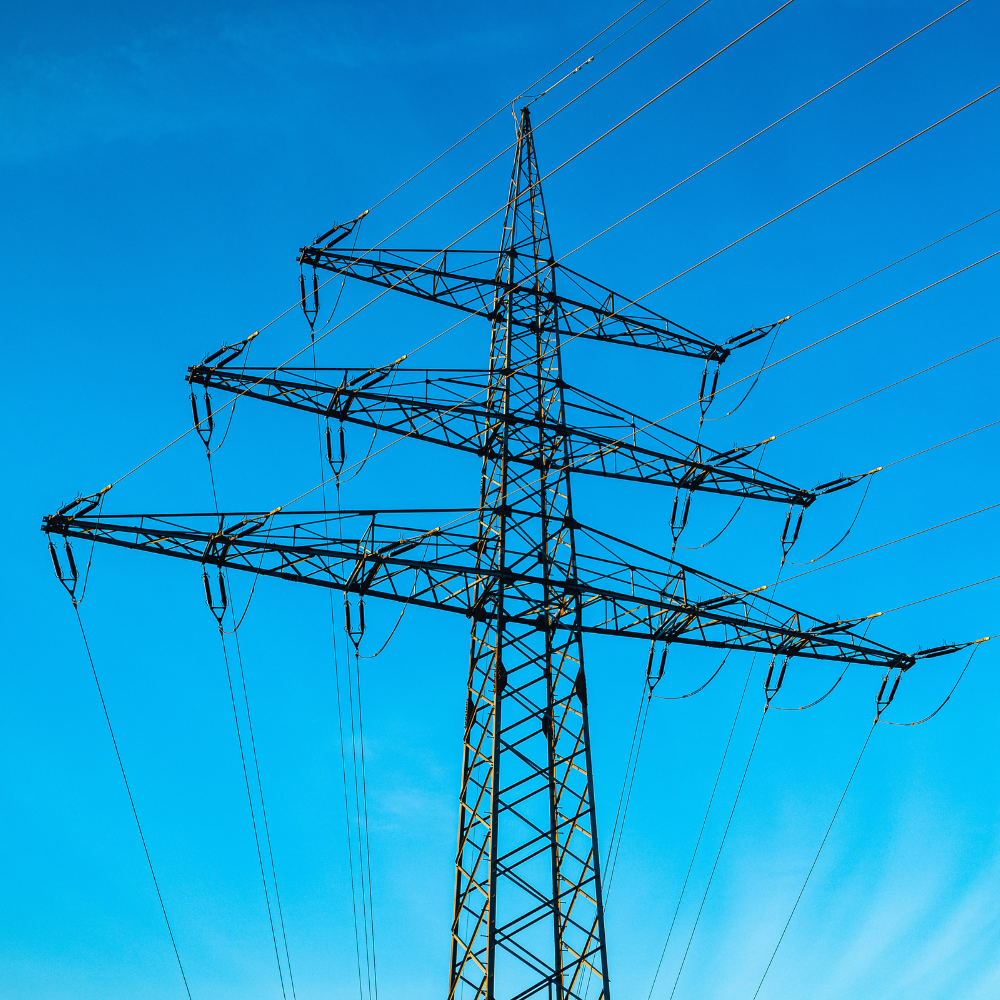
A single failed fitting on a 500 kV tower can mean an outage affecting thousands of customers, hours of emergency repair work at height, and a costly investigation into what went wrong. That’s why every clamp, dead-end, and vibration damper on a transmission line is held to a standard far stricter than the average piece of steel hardware — it has to perform flawlessly for decades, in the open air, under mechanical loads it can never afford to fail against.
Getting there starts long before the product leaves the factory.
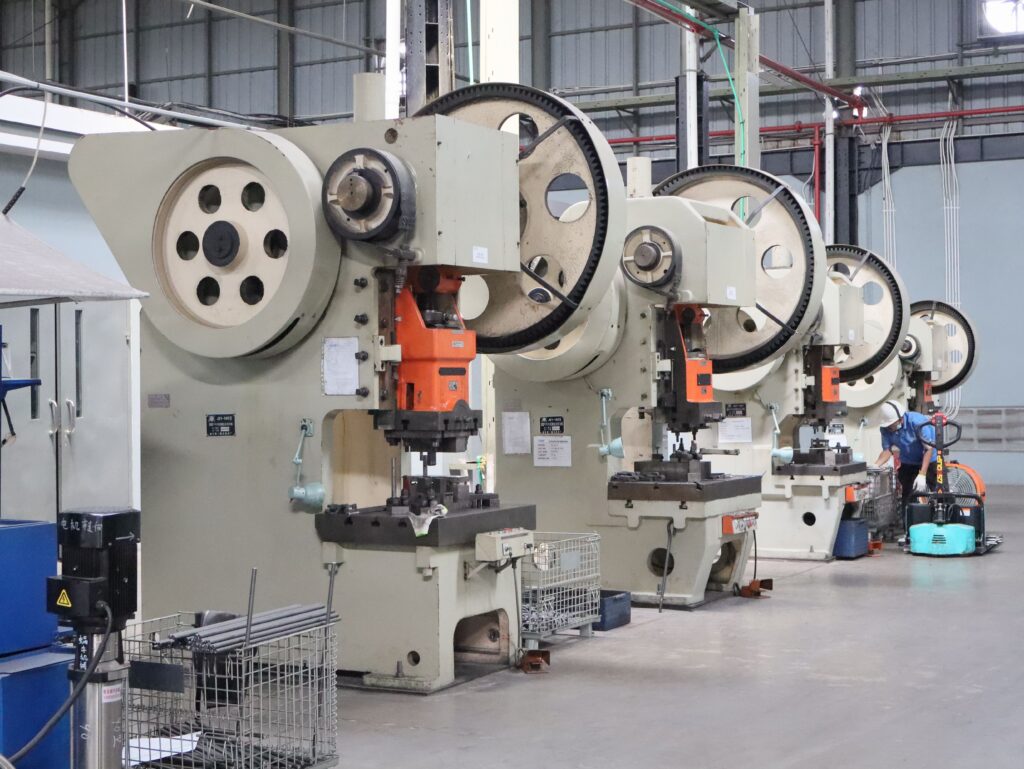
Depending on the product type, transmission line fittings are shaped through hot forging, precision casting, CNC machining, drilling, threading, welding, and precision assembly — each process chosen for how it affects the strength and grain structure of the final part. Once machining is complete, steel components go through hot-dip galvanizing, giving them the corrosion resistance they’ll need to survive years of outdoor exposure without maintenance.
None of this happens on trust. Dimensional checks and quality inspections run at every stage, so each component is verified against engineering drawings, project specifications, and the relevant industry standards before it moves to the next step — not just at final inspection.
Combined with experienced engineering teams and disciplined process control, this is what turns raw steel into hardware a utility can rely on for the life of the line.
Quality Assurance and Testing
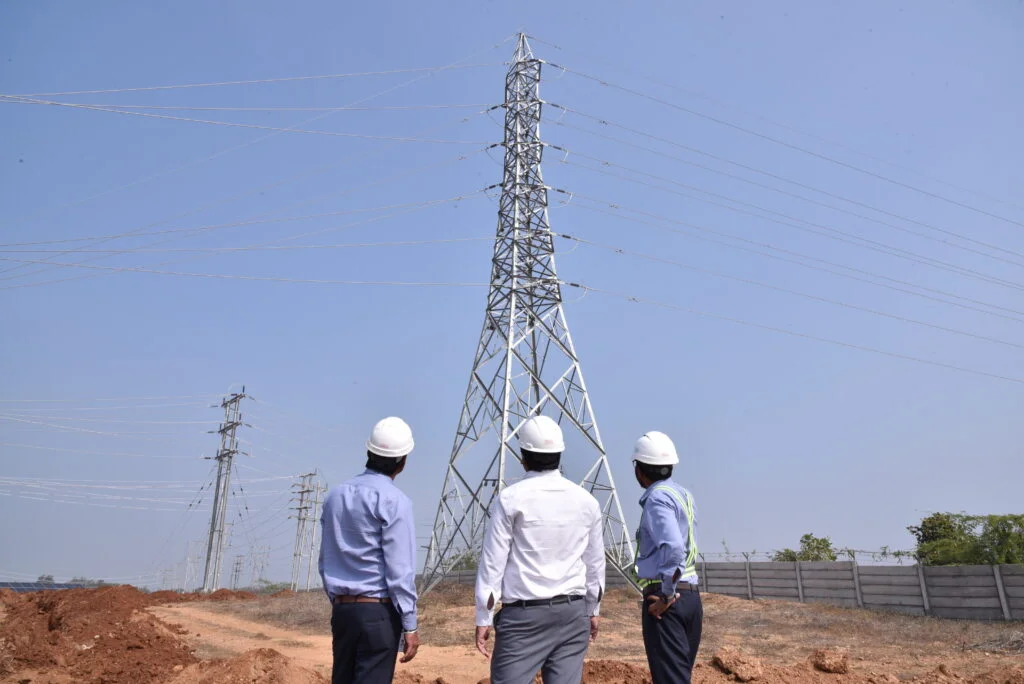
For Extra High Voltage (EHV) applications, quality assurance isn’t a final checkpoint. It’s built into every stage of production.
Inspection begins at the raw material stage and continues through machining, assembly, and galvanizing, all the way to final release. Where a project specification calls for it, hardware is put through qualification and routine testing, including:
- Mechanical Tensile Test
- Specified Mechanical Load (SML) Verification
- Slip Strength Test
- Corona Performance Test
- Radio Interference Voltage (RIV) Test
- Galvanizing Thickness Inspection
- Dimensional Inspection
- Visual Inspection
Type testing is carried out by accredited laboratories accepted by the project owner — so performance claims aren’t just stated, they’re proven under the conditions the hardware will actually face in service.
Manufacturing Materials
Every transmission line fitting is a trade-off between strength, weight, corrosion resistance, and cost — which is why material selection is one of the most consequential decisions in the design process.
Common choices include:
- High-strength forged carbon steel — for parts under heavy mechanical load
- Aluminum alloy — where weight and conductivity matter
- Ductile iron — for components needing toughness and impact resistance
The right material depends on the function of the part, the mechanical load it will carry, the environment it will sit in, and the customer’s own specifications. Get this choice right, and the hardware quietly does its job for 30+ years. Get it wrong, and it becomes the reason for an unplanned line outage.
Environmental Considerations
Indonesia isn’t a single climate — it’s a range of harsh ones, and transmission hardware has to survive all of them simultaneously across a single line route:
- High humidity and heavy rainfall inland and in the highlands
- Intense UV exposure near the equator, which degrades unprotected coatings faster than in temperate climates
- Coastal salt contamination for lines running near Kalimantan, Sulawesi, or Java’s coastlines
- Industrial pollution near power plants and heavy industry
- Wide temperature swings between mountain routes and lowland plains
Meeting all of these at once takes more than a generic coating spec. Material selection, protective coatings (such as duplex coating or heavy hot-dip galvanizing depending on the corrosivity category), and hardware design all have to work together — otherwise the maintenance burden shows up years earlier than the design life promised.
Applications of Transmission Line Hardware
The same engineering discipline applies across every voltage class and project type:
- 70 kV, 150 kV, 275 kV, and 500 kV transmission lines
- HTLS (High Temperature Low Sag) projects
- OPGW installation projects
- Earth wire installation projects
- Grid expansion and utility maintenance programs
Each application brings its own combination of mechanical load, electrical clearance, and environmental exposure — which is why fittings are engineered per project, not sold off a generic shelf.
Read More :
Why Choose PT HOGN Trans Jaya
PT HOGN Trans Jaya manufactures transmission line hardware for overhead power systems, built on hot forging, precision casting, CNC machining, drilling, and precision assembly, backed by quality-controlled production at every stage.
Every product is made from carefully selected materials and goes through comprehensive inspection before it ships — so what leaves the factory matches what the project specification calls for, every time.
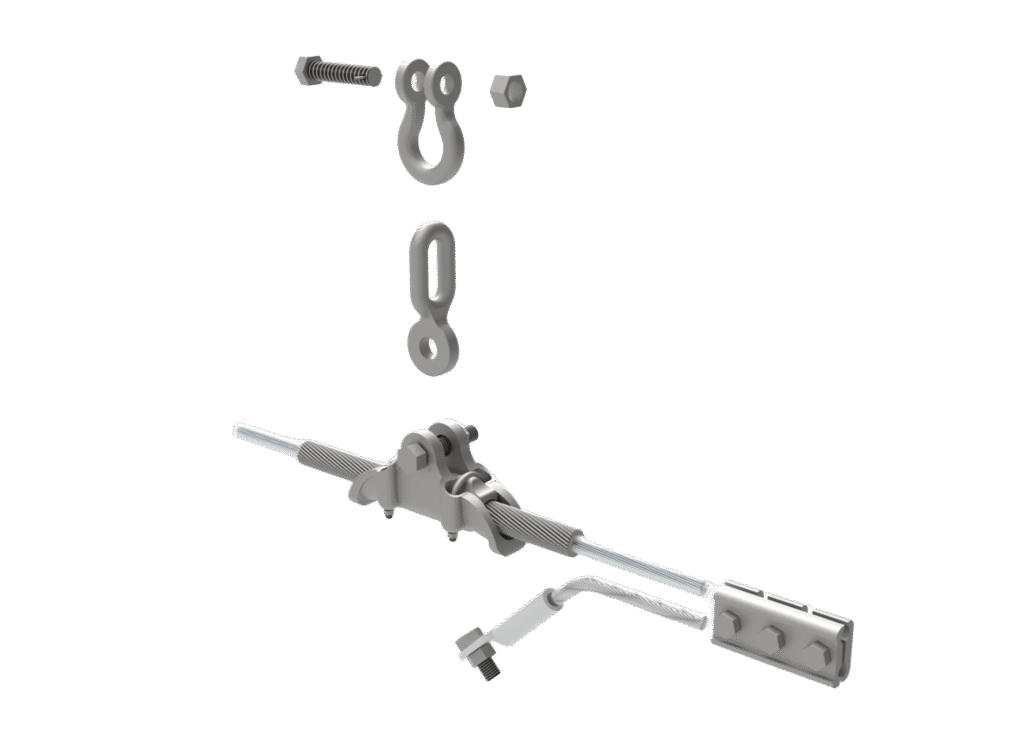
Our product range covers suspension clamps, tension clamps, dead-end clamps, yoke plates, spacer dampers, vibration dampers, armor rods, OPGW accessories, compression fittings, and other transmission line fittings for utility and EPC projects.
This isn’t a new entrant’s promise — it’s four decades of manufacturing track record. Our parent operation was established in China in 1U83, and our products have been present in the Indonesian market since 2010, with direct manufacturing operations established locally in 2024 through PT HOGN Trans Jaya. Across that time, our hardware has been applied on transmission lines spanning 70 kV to 500 kV throughout Indonesia.
That track record is backed by certification, not just claims: our products and quality systems are certified to ISO standards, and have passed testing and certification from Pusertif, KEMA, EETI, and CEPRI — among the most rigorous type-testing bodies a transmission line component can be measured against.
Frequently Asked Questions
What is transmission line hardware? The mechanical fittings that support, connect, and protect conductors, insulators, and overhead ground wires — the parts that keep a transmission line mechanically stable and electrically reliable over its service life.
Why does hardware selection matter more at 500 kV? At 500 kV, mechanical and electrical stresses are far higher than at distribution voltages. Properly selected hardware directly affects system reliability, corona control, maintenance frequency, and service life — there’s less margin for a suboptimal choice.
What standards apply to transmission line hardware in Indonesia? Compliance with applicable SPLN standards, relevant IEC standards, approved engineering drawings, and project-specific technical requirements.
Can PT HOGN Trans Jaya manufacture to custom specifications? Yes — fittings are produced to customer drawings, technical specifications, and project requirements for utilities, EPC contractors, and power transmission companies.
