
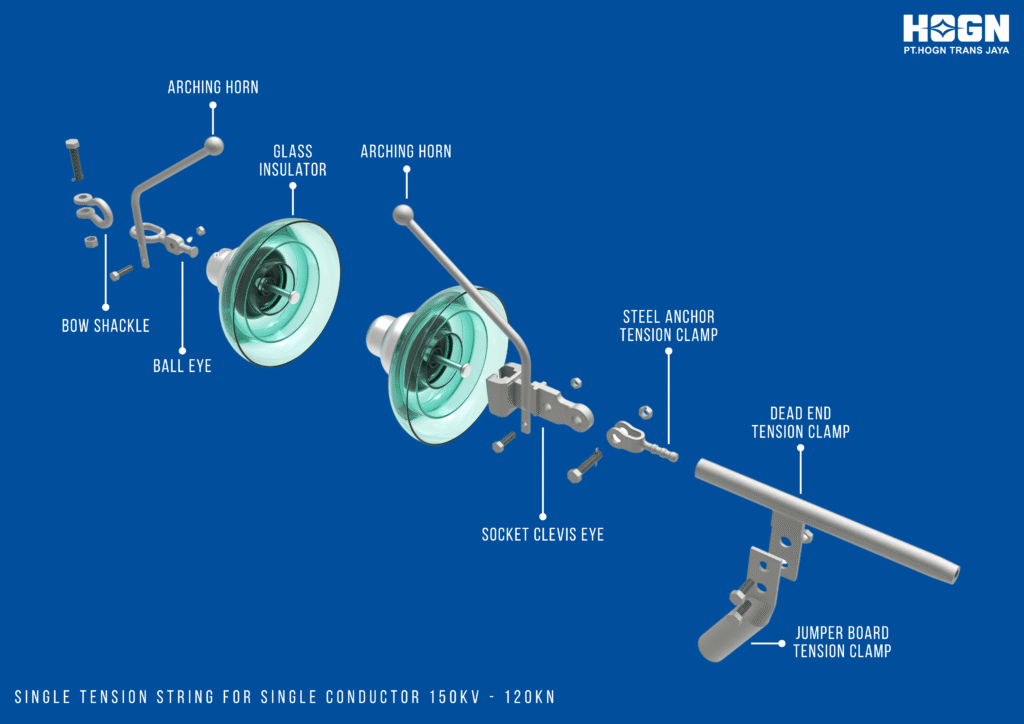
The backbone of any modern electrical grid relies on the seamless, uninterrupted flow of electricity. At the core of this infrastructure lies power transmission lines, which traverse vast distances and unforgiving terrains. However, the reliability of these networks depends entirely on a critical factor: knowing exactly how to choose the right transmission line hardware.
Selecting the appropriate components is not merely a matter of purchasing standard parts; it requires a deep understanding of electrical engineering, environmental challenges, and long-term mechanical endurance. A single point of failure can lead to catastrophic power outages, safety hazards, and massive financial losses. This guide explores the essential criteria and components you must evaluate to ensure optimal grid performance.
Evaluate the Environmental and Geographic Conditions

Before inspecting specific hardware, you must assess the environment where the transmission lines will be installed. Environmental variables dictate the material and structural requirements of your hardware.
- Corrosive Environments: Coastal areas expose hardware to salt spray, while heavy industrial zones introduce airborne chemicals. In these regions, components must feature high-grade galvanization or be forged from corrosion-resistant materials like aluminum alloy or stainless steel.
- Extreme Temperatures: Hardware expands in extreme heat and contracts in freezing conditions. High-temperature low-sag (HTLS) conductors and specialized thermal-resistant clamps are essential for regions experiencing severe temperature fluctuations.
- Wind and Ice Loading: High-altitude or tundra environments face severe ice buildup and gale-force winds. Hardware fittings must possess superior tensile strength to handle the added mechanical weight without deforming or fracturing.
Understand the Core Hardware Components
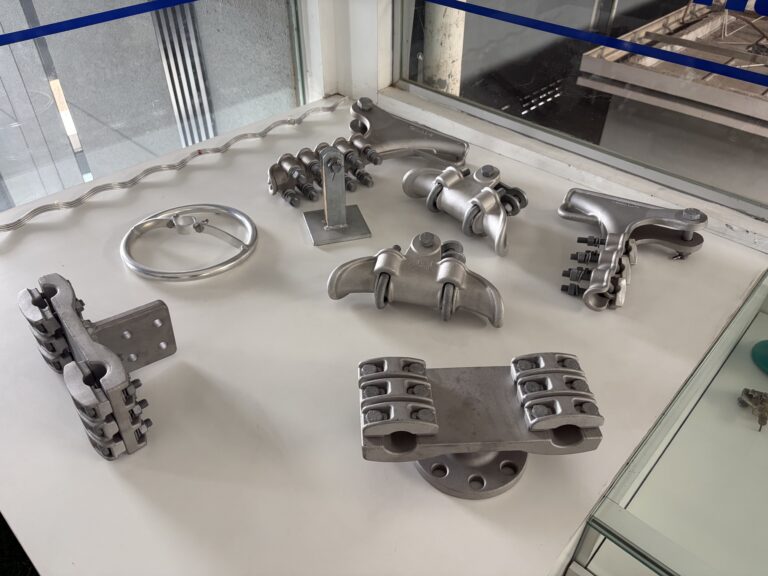
Choosing the right transmission line hardware means selecting the best combination of components for your specific voltage and load requirements. The primary categories include:
1. Conductors
The conductor is the primary carrier of electrical current. The most common types include Aluminum Conductor Steel Reinforced (ACSR), favored for its excellent balance of mechanical strength and conductivity, and All-Aluminum Alloy Conductor (AAAC), which offers better corrosion resistance. The choice of conductor dictates the type of fittings and suspension hardware required.
2. Insulators
Insulators prevent the electrical current from grounding through the transmission tower. You must choose based on the voltage level and environmental pollution:
- Porcelain and Glass: Traditional, highly reliable, and excellent for standard environments. They allow for easy visual inspection of damage.
- Composite (Polymer) Insulators: Lightweight, highly resistant to vandalism, and featuring excellent hydrophobic properties, making them ideal for highly polluted or coastal areas.
3. Hardware Fittings (Line Accessories)
These components secure the conductors and insulators to the towers. Key fittings include:
- Suspension and Tension Clamps: Must be precisely matched to the conductor’s diameter to prevent slippage or localized stress, which can lead to fatigue failure.
- Vibration Dampers: Wind-induced aeolian vibrations can cause severe fatigue wear on conductors. Stockbridge dampers are carefully selected and strategically placed to absorb these vibrations.
- Spacers and Spacer Dampers: Used in bundled conductor configurations, these maintain the required distance between sub-conductors and prevent them from clashing during short circuits or high winds.
Prioritize Mechanical and Electrical Performance
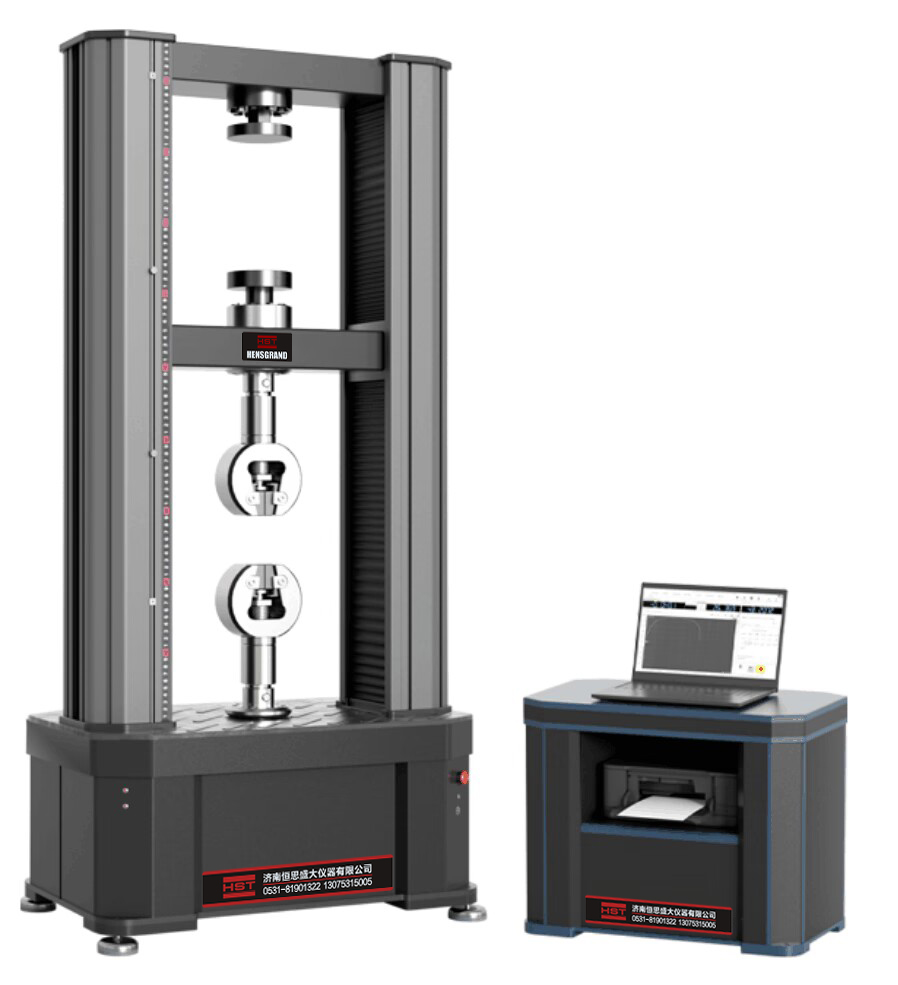
When evaluating hardware from manufacturers, strictly review their technical specifications regarding mechanical and electrical limits.
Mechanical Strength: The hardware must exceed the maximum expected load. Look for specifications detailing the Minimum Failing Load (MFL) or Ultimate Tensile Strength (UTS). The hardware should never operate near its breaking point under normal conditions; a safety margin (often a factor of 2.5 to 3) is mandatory.
Electrical Characteristics: Hardware components, particularly those in contact with high-voltage conductors, must have smooth contours to prevent corona discharge. Corona discharge occurs when the localized electric field exceeds the breakdown strength of air, leading to power loss, audible noise, and radio interference. High-quality corona rings and smoothly machined clamps are crucial for extra-high-voltage (EHV) lines.
Ensure Compliance with International Standards

Never compromise on certification. The right transmission line hardware must comply with rigorous international engineering standards. Whether your project is local or international, ensure the components meet the testing and manufacturing standards set by recognized bodies such as:
- IEC (International Electrotechnical Commission)
- IEEE (Institute of Electrical and Electronics Engineers)
- ANSI (American National Standards Institute)
Hardware that passes these certifications has undergone rigorous type-testing, including thermal cycling, mechanical endurance, and galvanization thickness tests, ensuring predictable and reliable performance in the field.
Calculate Total Cost of Ownership (TCO)
While upfront costs are always a primary consideration in large infrastructure projects, opting for the cheapest hardware often leads to higher expenses over time.
When you choose the right transmission line hardware, you are investing in a lower Total Cost of Ownership (TCO). High-quality hardware significantly reduces maintenance frequency, lowers the risk of line drops, and extends the overall lifespan of the transmission network. Factor in the costs of potential emergency repairs and revenue lost during power outages when evaluating your initial hardware budget.
Conclusion
Understanding how to choose the right transmission line hardware is a multidisciplinary challenge that bridges electrical theory, mechanical engineering, and environmental science. By thoroughly evaluating environmental conditions, selecting appropriately rated insulators and conductors, ensuring strict adherence to international standards, and focusing on long-term value over short-term savings, you can build a resilient, efficient, and safe power transmission network.
PT HOGN Trans Jaya manufactures transmission line hardware for overhead power systems, built on hot forging, precision casting, CNC machining, drilling, and precision assembly, backed by quality-controlled production at every stage.
Every product is made from carefully selected materials and goes through comprehensive inspection before it ships — so what leaves the factory matches what the project specification calls for, every time.
Our product range covers suspension clamps, tension clamps, dead-end clamps, yoke plates, spacer dampers, vibration dampers, armor rods, OPGW accessories, compression fittings, and other transmission line fittings for utility and EPC projects.
