
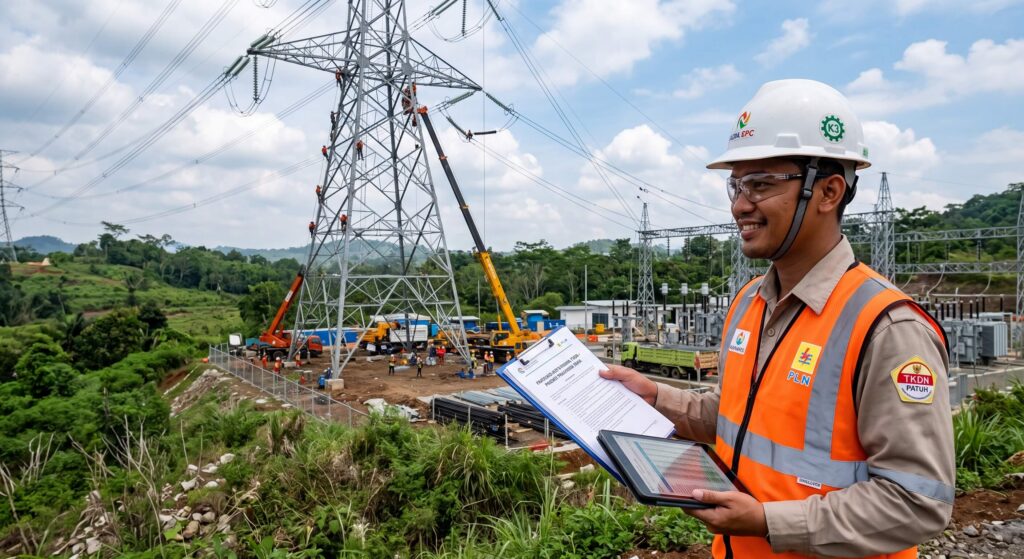
The development of electrical infrastructure in Indonesia is currently in a phase of massive and sustainable acceleration. The government, through PT PLN (Persero), remains committed to expanding electrification coverage, driving the energy transition towards Net Zero Emission, and strengthening the reliability of the power transmission network across the archipelago. Amidst this national-scale strategic effort, there is one crucial regulation that serves as a directional policy and must not be ignored by industry players, Engineering, Procurement, and Construction (EPC) contractors, and material supply vendors: Domestic Component Level (Tingkat Komponen Dalam Negeri / TKDN).
For companies wishing to participate and win tenders in large-scale electricity projects, understanding and fulfilling TKDN requirements is not just an added value, but an absolute prerequisite that determines business viability. This article will dissect in depth what TKDN is, why this policy is highly essential in power transmission projects, and the best strategies to fulfill it.
What is TKDN and Its Legal Basis in Indonesia?
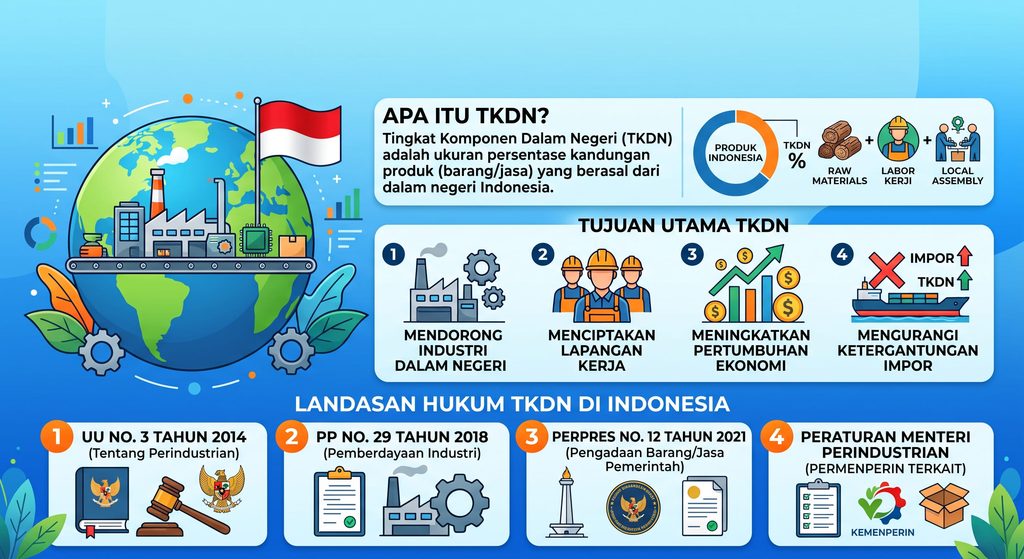
The Domestic Component Level (TKDN) is the percentage value of the production of goods, services, or a combination of both made or generated within the jurisdiction of the Republic of Indonesia. This policy was initiated by the government with the macroeconomic objective of reducing dependence on imported products, stimulating the growth capacity of local manufacturing industries, creating new jobs, facilitating technology transfer, and saving national foreign exchange.
In the context of electrical infrastructure development, the legal umbrella regarding the implementation of TKDN is very strict and binding. The Ministry of Industry (Kemenperin) has issued various derivative regulations mandating the use of domestic products in every strategic project funded by the State Budget (APBN), Regional Budget (APBD), loan funds, or public-private partnership schemes. More specifically, PT PLN (Persero) internally applies strict rules that explicitly state the minimum TKDN percentage in every procurement tender for goods and services, especially for the construction of Substations (GI) as well as High Voltage Overhead Lines (SUTT) and Extra High Voltage Overhead Lines (SUTET).
Why is TKDN Crucial in Power Transmission Projects?
Meeting TKDN targets in transmission infrastructure projects impacts not only legal compliance but also the sustainability and business strategy of EPC companies. Here are the main reasons why TKDN holds a central position:
1. Mandatory Requirement to Pass Tender Evaluation

In the e-procurement ecosystem implemented by government institutions and state-owned electricity enterprises, companies unable to meet the required minimum TKDN percentage threshold will automatically fail at the initial stage of administrative evaluation. This means that no matter how great your engineering design proposal is or how competitive your price offering is, without an adequate TKDN certificate or commitment, your company will not advance to the next stage.
2. Gaining Price Preference Privileges

The government provides tangible incentives for companies offering goods with a high TKDN value in the form of price preferences. This price preference can reach up to 15% for the procurement of goods and 7.5% for construction works. This incentive provides a highly significant competitive margin advantage. Local products with TKDN certification will be calculated with a lower Final Evaluation Price (Harga Evaluasi Akhir / HEA) compared to competitors relying on imported products, thereby increasing the probability of winning the bid.
3. Mitigating Global Supply Chain Risks
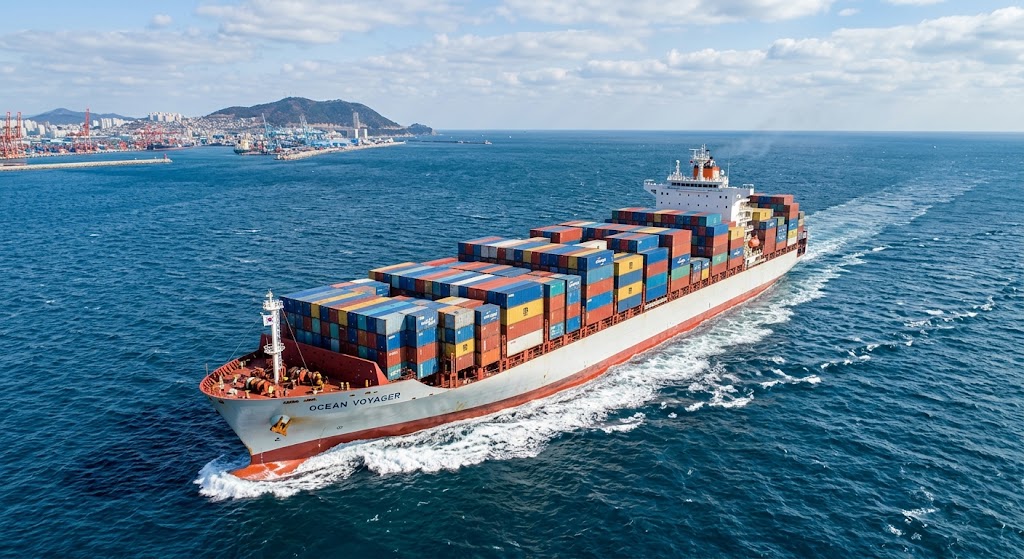
Power transmission projects often require multi-year completion periods and rely heavily on the continuity of material delivery. By maximizing the use of domestically produced components, contractors automatically minimize the risks of global supply chain disruptions—such as maritime logistics shortages, delivery delays due to geopolitical conditions, and foreign currency fluctuations that could unexpectedly inflate project budgets.
Understanding the TKDN Weight Calculation in Combined Projects
In power transmission development projects, the tender scheme is generally an EPC. Therefore, the TKDN calculation is not only assessed from physical materials (goods) alone, but a combination of Goods and Services elements.
- Goods Component: Calculated from the direct use of materials forming the infrastructure, ranging from primary raw materials, sub-assembly components, to consumables. The more melting, fabrication, and assembly processes conducted in factories located in Indonesia, the higher the domestic component percentage will soar.
- Services Component: Covers overall project management costs, engineering design processes, domestic logistics costs, to construction and physical installation services on site. The use of domestic expert labor, utilization of local software, and the leasing of heavy equipment owned by national companies will contribute to boosting the final value of the Services TKDN.
This combined value will later be strictly audited and verified by independent surveyor institutions directly appointed by the government.
Key Power Transmission Components That Boost TKDN Value
Transmission network projects (SUTT/SUTET) are complex constructions involving thousands of tons of steel and high-precision mechanical components. To achieve or exceed the required minimum TKDN percentage—which is often above 40%—contractors are required to be smart in component sourcing. Several vital materials that have been successfully produced in Indonesia with solid TKDN certification include:
- Tower Steel Structures: The pilings and main structures of lattice towers are now mostly required to be produced from domestic steel mills.
- Conductors: ACSR (Aluminium Conductor Steel Reinforced) or TACSR transmission cables have been widely produced by national cable manufacturers.
- Line Hardware & Fittings: These are crucial technical elements for withstanding high voltage mechanical loads, yet their potential is often under-optimized by contractors. Currently, transmission line hardware components such as tension clamps, suspension clamps, yoke plates, and cable protection devices like vibration dampers have been able to be fabricated with exceptional mechanical precision by local manufacturers, passed PLN’s tensile strength tests, and equipped with official TKDN certifications.
Strategies to Meet TKDN Targets for EPC Contractors
Meeting TKDN requirements is not an overnight task. It demands strategic planning from the very early phases. Tactical steps that must be taken include:
- Early Material Mapping: Identify the technical specifications (BoQ/Bill of Quantities) of each required item starting from the basic design stage. Classify which ones must strictly be imported and which ones already have substitutions from local industries.
- Direct Verification to the Ministry of Industry Database: Ensure that your targeted local vendors actually hold valid TKDN certificates and sufficient percentages.
- Build Partnerships with Direct Manufacturers: Avoid relying entirely on trading companies or intermediaries. Collaborating directly with genuine Indonesian manufacturers provides guarantees for product customization matching PLN standardization, clarity of technical warranties, and the legal certainty of the TKDN certificate that will be audited later.
Achieve Project Victory with a Trusted Local Partner
The Domestic Component Level (TKDN) requirement is essentially a catalyst that drives the Indonesian electricity industry to be more resilient, independent, and sovereign. For EPC project executors, the proficiency in orchestrating TKDN fulfillment is a core competency that ensures success in securing highly strategic electrical transmission project tenders.
Choosing a local electrical manufacturing partner who has credibility, full certification, and is supported by a precise delivery track record is a fundamental step to reducing technical risks and smoothing the path to tender victory.
As a manufacturer and provider of electrical infrastructure components highly dedicated to the advancement of national industry, PT HOGN TRANS JAYA is ready to be your reliable strategic partner. We produce a line of premium-quality transmission network line hardware ranging from tension clamps, suspension clamps, yoke plates, vibration dampers, to various other essential fittings. All our products are not only designed to exceed PLN’s strict operational technical standards, but also specially tailored with highly competitive TKDN values to secure your project’s position in the bid evaluation stage.
Don’t let your giant electricity projects be hindered by a lack of TKDN compliance or disrupted material supply chains. Let’s work together to build a reliable, sustainable national energy transmission infrastructure that takes pride in using the work of the nation’s children.
Explore further our technical specifications and solutions portfolio by visiting our official website at hogntransjaya.com.
For EPC contractors, Procurement Managers, and stakeholders wishing to immediately discuss strategic collaboration opportunities and the success of your electrical transmission projects, our team of experts is always ready to provide the best consultation. Contact us right now via email at [email protected]. Let’s collaborate to illuminate Indonesia with world-class infrastructure.
