
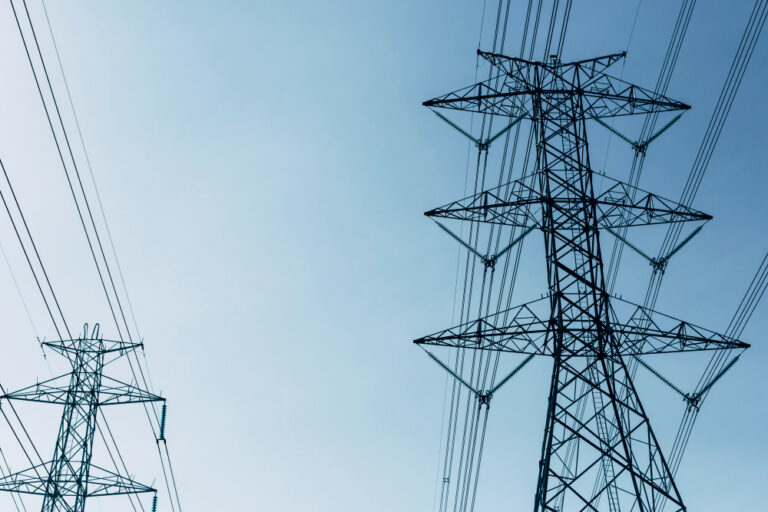
Electrical power is the lifeblood of modern society, powering everything from our smartphones to massive industrial manufacturing plants. However, generating electricity is only half the battle; delivering it efficiently from distant power plants to our homes and businesses is an equally complex engineering marvel. To accomplish this, electrical grids utilize high-voltage transmission lines.
If you have ever looked at the massive steel towers crisscrossing the countryside, you are looking at the highways of the electrical grid. These lines carry electricity at staggering voltages—most commonly 70 kV, 150 kV, 275 kV, and 500 kV. But why do we need such high voltages, and what distinguishes one voltage tier from another?
The Physics Behind High Voltage Transmission
Before diving into the specific voltage levels, it is crucial to understand why electricity is transmitted at such extreme voltages rather than the standard 110V or 220V we use in our wall outlets. The answer lies in the physics of electrical efficiency.
Electricity is transmitted over long distances through metal wires, usually aluminum. Even the best conductors have some electrical resistance. When electrical current flows through a wire with resistance, some of that energy is lost as heat. This relationship is defined by a simple principle: power loss is proportional to the square of the current (Ploss=I2R).
To transport a specific amount of power, you can either use a high current with a low voltage, or a high voltage with a low current. Because higher current results in exponentially higher heat loss, power companies use massive transformers to “step up” the voltage. By drastically increasing the voltage (kV), the current (Amps) drops significantly, allowing electricity to travel hundreds of kilometers with minimal energy loss.
Breaking Down the Transmission Tiers
Different voltage levels serve different purposes within the power grid. They act as a tiered system of highways, main roads, and local streets. Here is a breakdown of the standard transmission voltages:
1. 70 kV: The Sub-Transmission Network
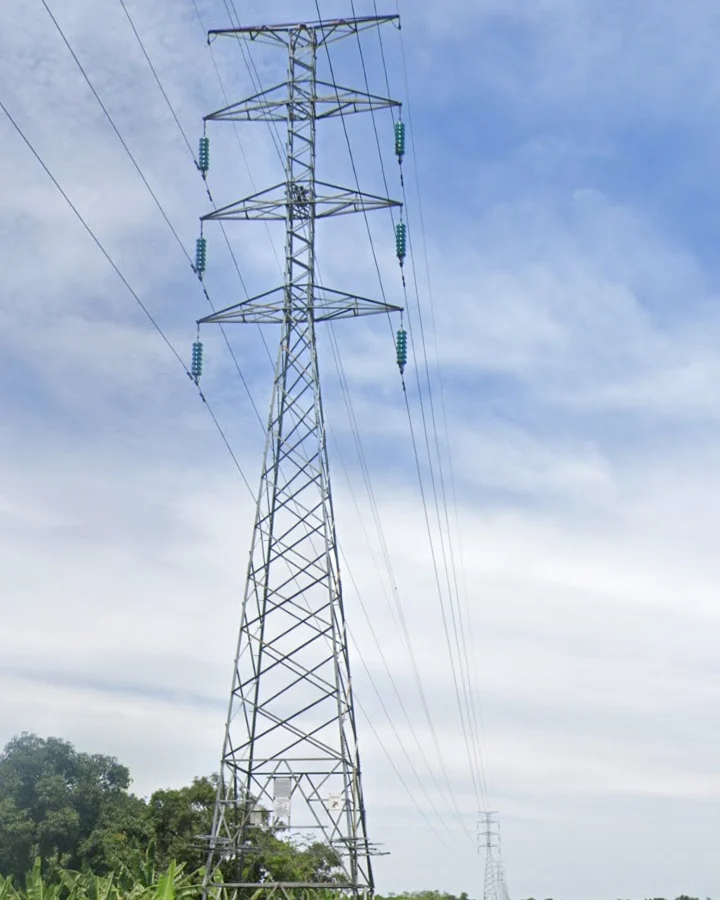
Operating at 70,000 volts, the 70 kV network is generally classified as a sub-transmission voltage.
- Purpose: It serves as the bridge between the primary high-voltage transmission grid and the localized distribution substations.
- Range: This voltage is ideal for shorter distances, typically linking regional power stations to nearby towns or smaller industrial zones.
- Infrastructure: The transmission towers for 70 kV lines are relatively compact and require a narrower right-of-way (ROW), making them easier to route through moderately populated areas. While older grids rely heavily on 70 kV, many modern utility companies are slowly upgrading these lines to higher capacities.
2. 150 kV: The High Voltage (HV) Standard
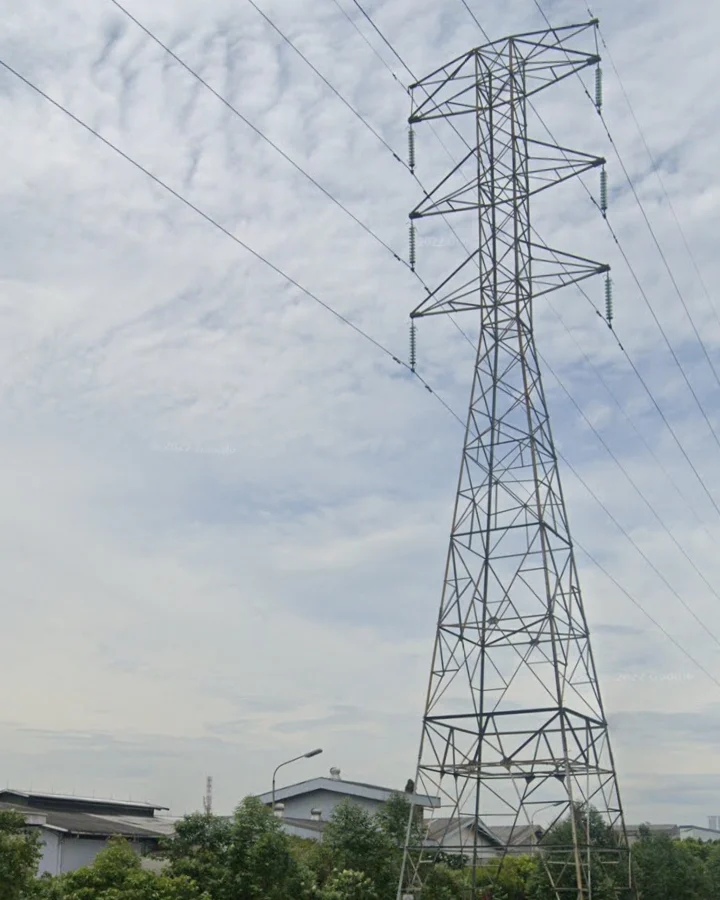
At 150,000 volts, we enter the realm of true High Voltage (HV) transmission.
- Purpose: The 150 kV system is the workhorse of many national electrical grids. It is responsible for moving substantial amounts of power across provinces and regions.
- Range: It efficiently carries electricity over moderate to long distances, ensuring that power generated by mid-sized coal, gas, or renewable plants reaches major metropolitan areas.
- Infrastructure: Towers for 150 kV lines are taller and more robust than 70 kV infrastructure. They are a common sight along major highways and rural landscapes, heavily utilized in rapidly developing grids to balance capacity and infrastructure costs.
3. 275 kV: The Extra High Voltage (EHV) Bridge
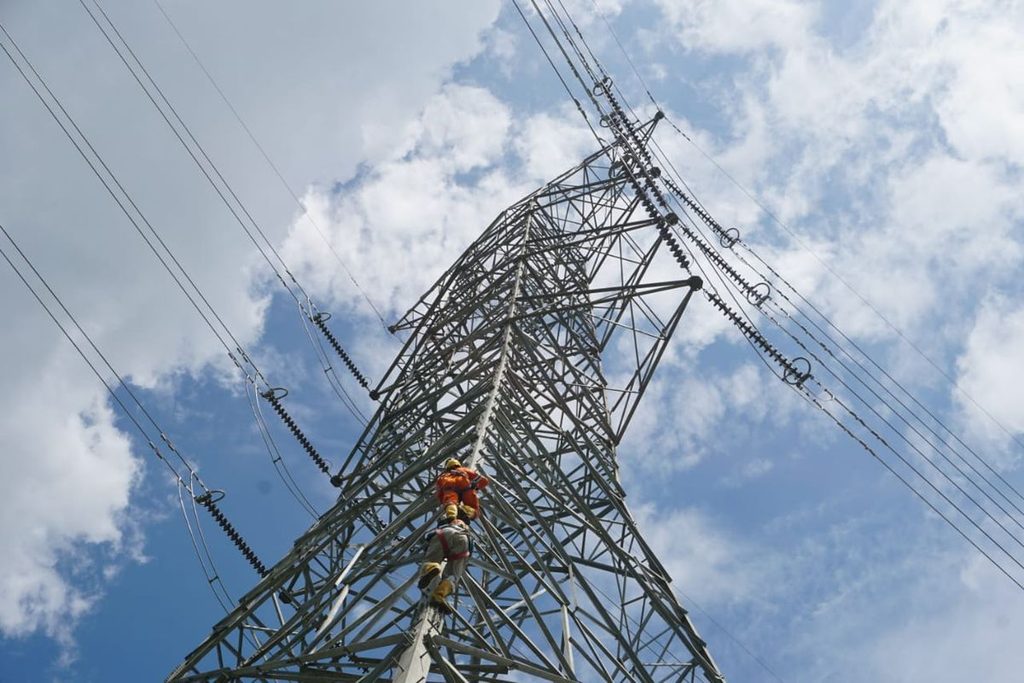
Operating at 275,000 volts, this tier steps into the Extra High Voltage (EHV) category.
- Purpose: The 275 kV network is utilized when the capacity of a 150 kV line is no longer sufficient, but the massive infrastructure of a 500 kV line is not yet required.
- Range: It is designed for heavy-duty, long-distance power transfer. This voltage is often used to connect major power generation hubs directly to heavy industrial consumers, such as steel mills or large-scale mining operations, which demand immense and stable power loads.
4. 500 kV: The EHV Superhighway
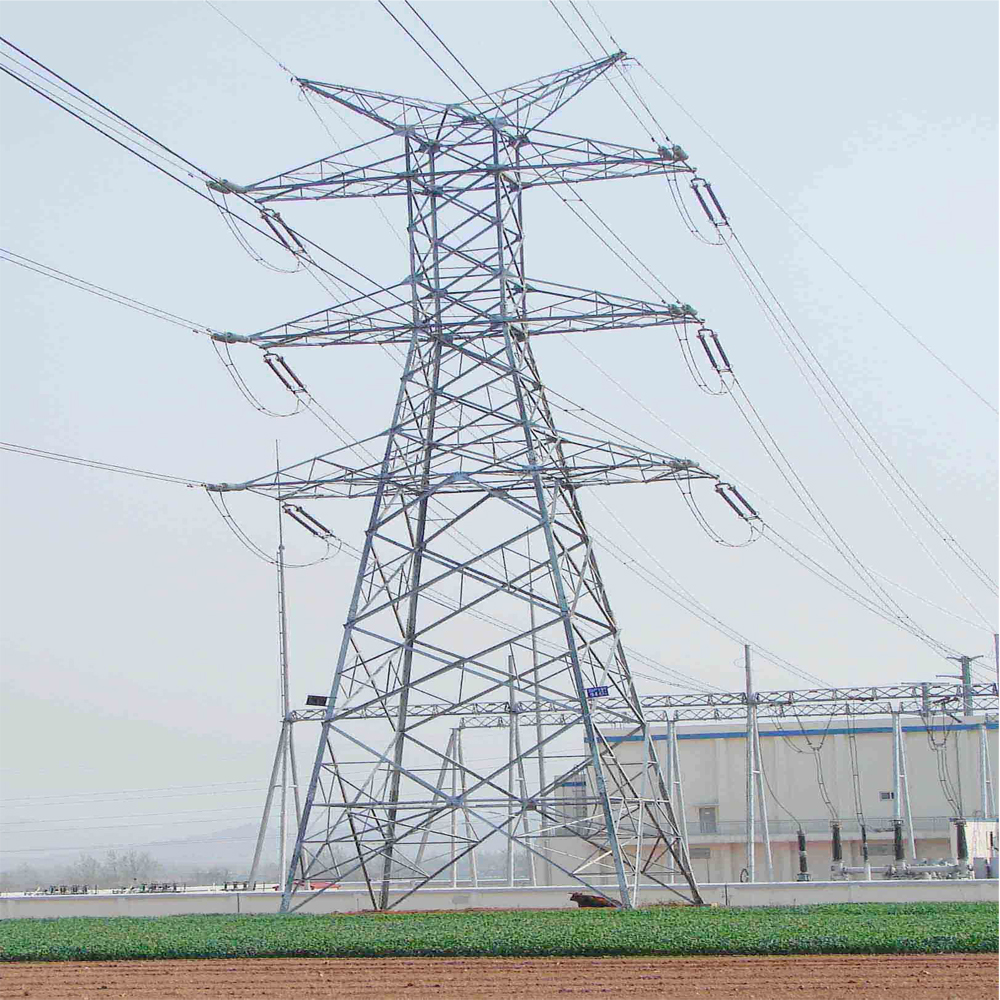
At 500,000 volts, this is the ultra-efficient backbone of the modern power grid.
- Purpose: The 500 kV network is the ultimate “superhighway” of electricity. It is reserved for bulk power transmission, linking massive baseload power plants (such as nuclear facilities, massive hydroelectric dams, or large coal plants) to distant, densely populated urban centers.
- Range: Because the voltage is so high, the current—and therefore the heat loss—is incredibly low. This allows power to be transmitted over hundreds or even thousands of kilometers with highly efficient retention.
- Infrastructure: Constructing 500 kV lines is a massive undertaking. The towers are towering giants, requiring extensive ground clearance and large insulators to prevent the electricity from arcing to the ground. They also require a very wide right-of-way to ensure public safety and environmental protection.
How the Grid Works Together
These four voltage levels do not operate in isolation; they are deeply interconnected components of a single, breathing machine.
- Generation & Step-Up: Electricity is generated at a power plant at a relatively low voltage (often around 11 kV to 25 kV). It is immediately routed through a step-up transformer, which boosts the electricity to a high voltage like 500 kV or 275 kV for long-distance travel.
- The Long Journey: The power travels across the country on these EHV superhighways, bypassing local towns and cities.
- Step-Down at the Destination: Once the electricity approaches a major city, a large substation uses step-down transformers to reduce the voltage to 150 kV or 70 kV.
- Local Distribution: At these lower sub-transmission voltages, the power is safely routed around the perimeter of the city to smaller, local substations. Here, it is stepped down again to distribution levels (usually 20 kV), and finally down to the 220V used in homes.
Read More :
Conclusion
Understanding transmission voltages—from the localized 70 kV lines to the massive 500 kV superhighways—is key to appreciating the complexity of the modern power grid. By utilizing these different voltage tiers, utility companies can balance infrastructure costs, safety regulations, and the laws of physics. The result is a highly efficient, reliable network capable of delivering continuous energy to billions of people across the globe, powering the future of human innovation.
PT HOGN Trans Jaya is a trusted manufacturer of high-quality transmission line hardware for overhead power transmission systems. Our product portfolio includes Suspension Clamps, Tension Clamps, Dead-End Clamps, Armor Rods, Vibration Dampers, Spacer Dampers, OPGW Accessories, and a wide range of other transmission line fittings manufactured under strict quality control.
Whether your project involves new transmission line construction, system expansion, or maintenance, PT HOGN Trans Jaya is committed to delivering durable, reliable, and high-performance solutions that support the long-term safety and efficiency of power transmission networks.
