
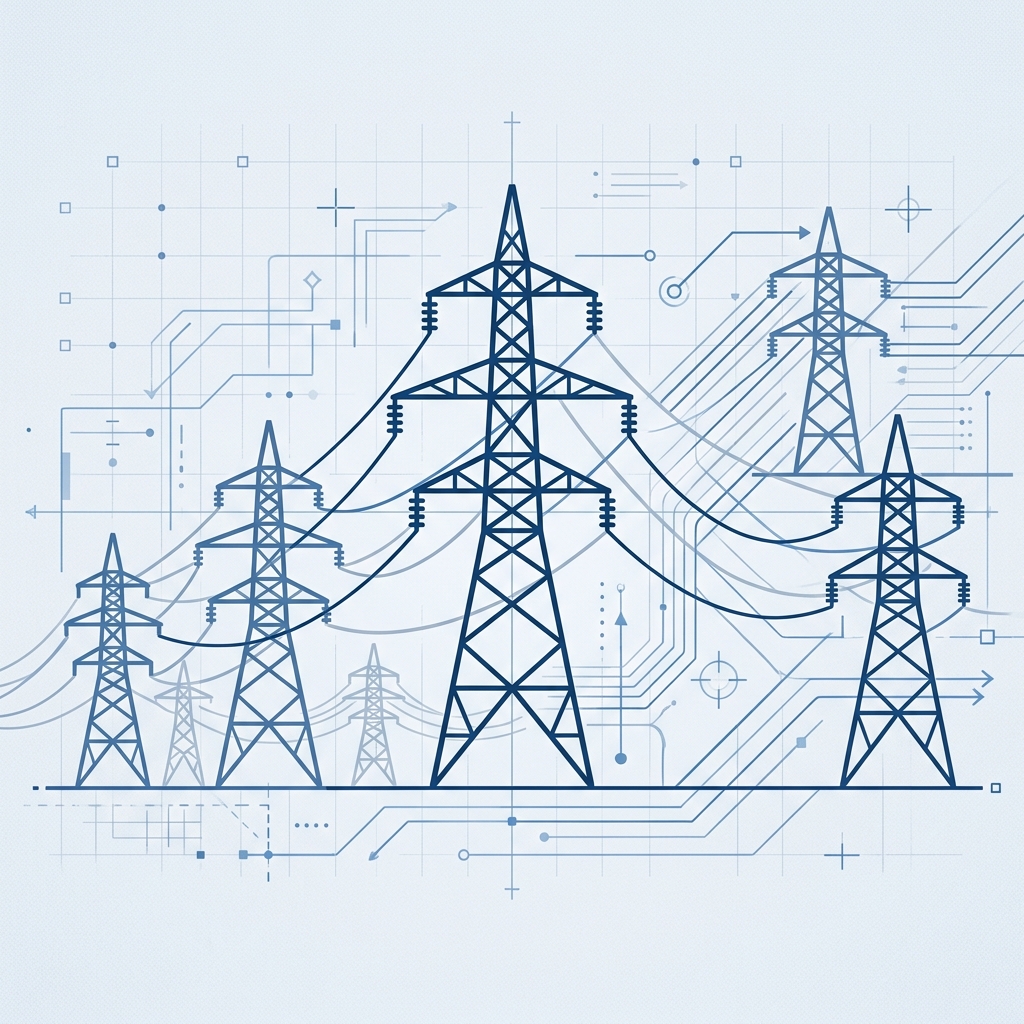
The backbone of any nation’s electrical infrastructure relies heavily on overhead transmission lines. In Indonesia, these are commonly classified into SUTT (Saluran Udara Tegangan Tinggi or High Voltage Overhead Lines, typically 70 kV to 150 kV) and SUTET (Saluran Udara Tegangan Ekstra Tinggi or Extra High Voltage Overhead Lines, typically 275 kV to 500 kV).
While the massive steel lattice towers and thick conductive cables immediately catch the eye, the true stability of these power grids depends on smaller, critically engineered components: the hardware fittings and clamps. These components must secure heavy cables, endure extreme weather, and handle immense electrical loads without failing.
This guide explores the essential types of clamps used on SUTT and SUTET networks, their specific functions, and why selecting the right hardware is vital for grid reliability.
The Critical Role of Clamps in High-Voltage Networks
Clamps on transmission lines are not merely mechanical fasteners. They serve a dual purpose: providing robust mechanical support and ensuring uninterrupted electrical continuity.
Because overhead conductors are constantly subjected to wind-induced vibration, temperature expansion, and enormous tension forces, the clamps must grip the cables tightly enough to prevent slipping, but gently enough to avoid crushing the conductive strands. On SUTET networks, where the voltage is exceptionally high, clamps must also be meticulously designed with smooth, rounded contours to prevent the “corona effect”—a phenomenon where high electrical stress ionizes the surrounding air, causing power loss, noise, and gradual hardware degradation.
Major Types of Clamps on SUTT and SUTET
Different points along a transmission line require different hardware solutions. Below are the primary types of clamps utilized in SUTT and SUTET infrastructures.
1. Suspension Clamps
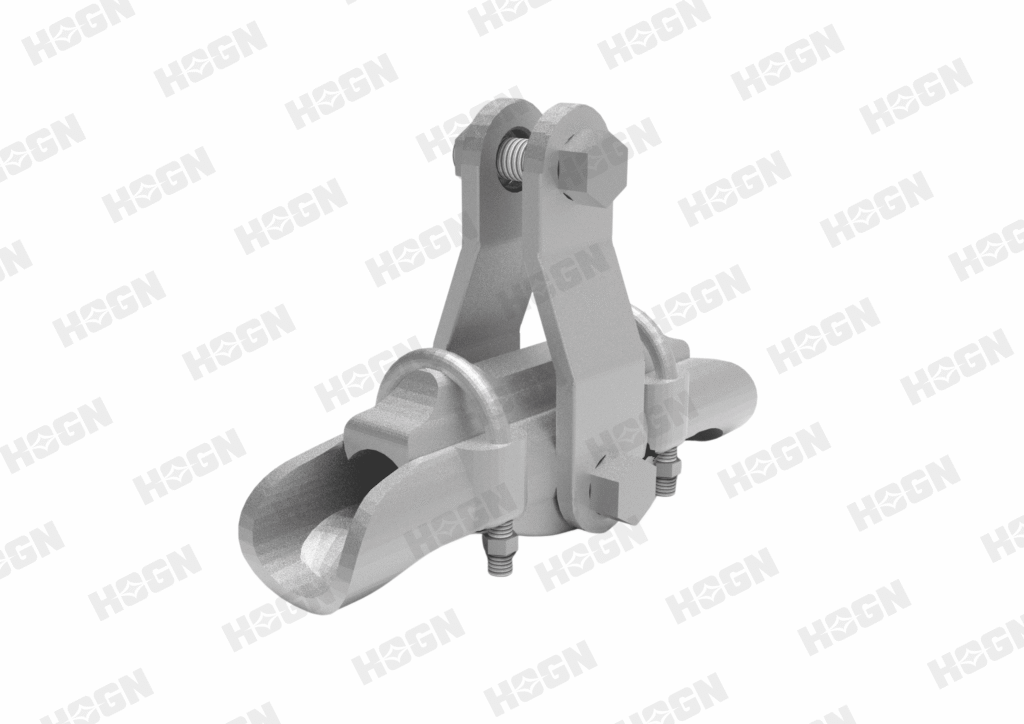
Suspension clamps are the most common type of fitting found on straight sections of a transmission line.
- Function: Their primary job is to hang the conductive cables (or ground wires) from the insulator strings attached to the transmission towers.
- Design: These clamps are engineered to support the downward weight of the cable and allow for a specific degree of swinging motion caused by wind. To protect the conductor from the abrasive friction of the clamp, suspension assemblies often utilize preformed armor rods. These rods wrap around the conductor, distributing the mechanical stress over a wider area and reducing the risk of metal fatigue.
2. Tension Clamps (Strain Clamps or Dead-End Clamps)
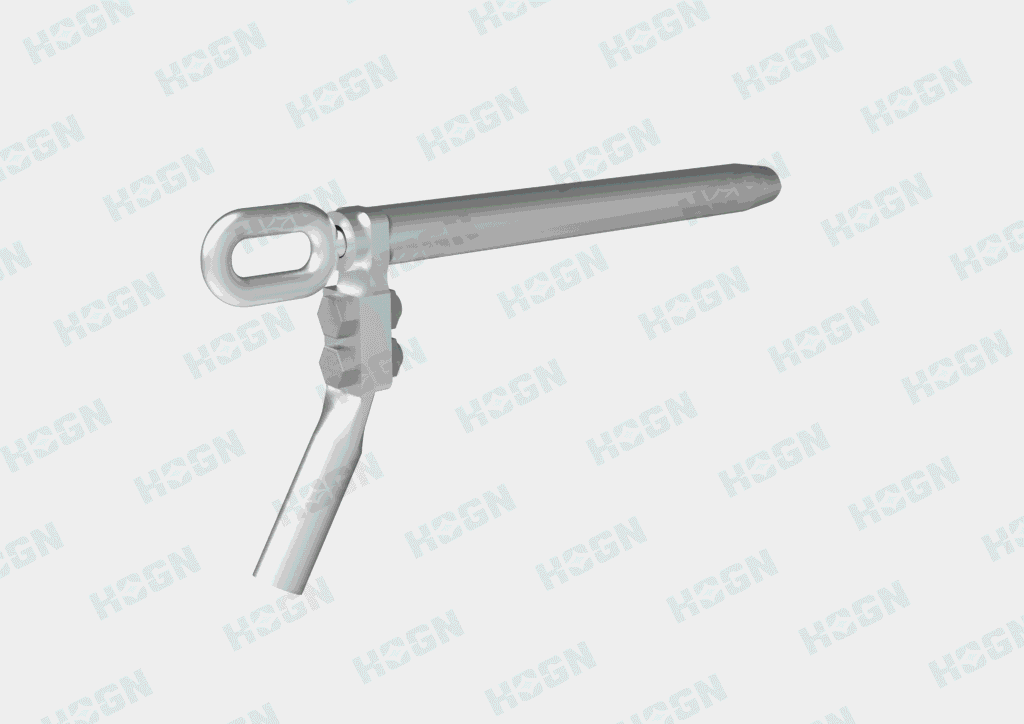
Whenever a SUTT or SUTET line needs to change direction, navigate a steep elevation, or come to an end at a substation, the cables are placed under immense pulling tension.
- Function: Tension clamps are designed to bear this extreme longitudinal load. They securely anchor the conductor to the tension tower, ensuring the line remains taut and maintains the required safety clearances above the ground.
- Design: For high-capacity conductors, compression-type dead-end clamps are frequently used. These involve a steel core and an aluminum sleeve that are permanently compressed onto the cable using heavy hydraulic tools, ensuring a grip that matches the breaking strength of the cable itself.
3. Parallel Groove (PG) Clamps
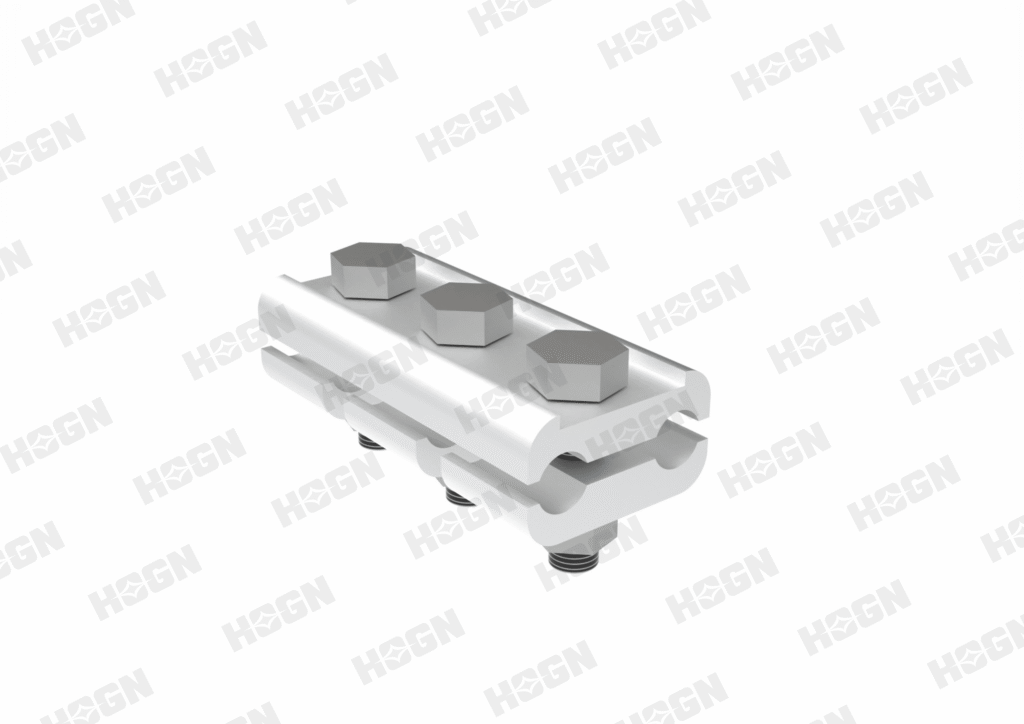
Maintaining electrical continuity between different conductive cables requires specialized connectors.
- Function: PG clamps are used to connect two parallel bare conductors together. They are highly effective for splicing wires, creating branch connections, or grounding the system.
- Design: As the name suggests, these clamps feature two parallel grooves that precisely match the diameter of the conductors. Once the cables are laid in the grooves, heavy-duty bolts are tightened to press the two halves of the clamp together, creating a highly conductive, low-resistance joint.
4. Jumper Clamps
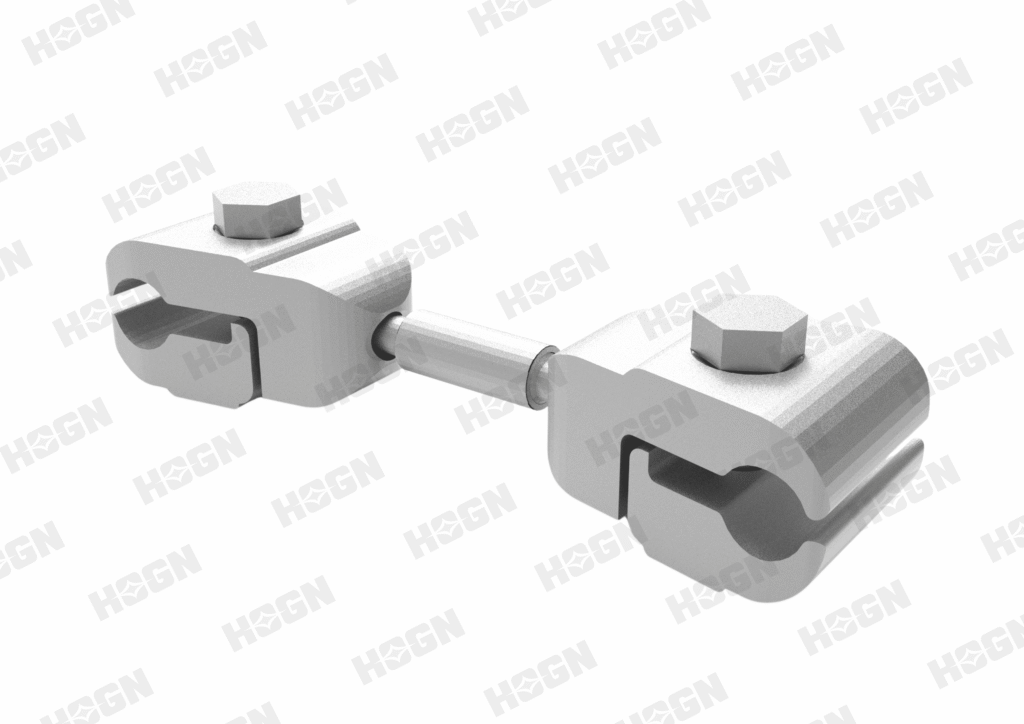
At tension towers (where dead-end clamps hold the physical tension of the wires), the electrical current must find a way to bypass the non-conductive insulator strings to continue down the line.
- Function: Jumper clamps connect a short, unstressed loop of wire (the jumper) between the two live ends of the main conductor.
- Design: These are typically heavy-duty bolted or compressed terminal connectors that ensure the electrical current flows smoothly and safely around the physical anchor points of the tower.
Material Quality: The Key to Longevity
Because SUTT and SUTET networks are exposed to the elements for decades, the material composition of these clamps is paramount. High-grade aluminum alloys are the standard for conductor clamps because they offer excellent electrical conductivity, resist rust, and match the thermal expansion rate of the aluminum cables. For components requiring massive structural strength, heavily galvanized forged steel is utilized to prevent corrosion from rain, humidity, and airborne pollutants.
The failure of a single clamp on a SUTT or SUTET line can lead to catastrophic power outages, severe equipment damage, and significant financial losses. When building or maintaining high-voltage grids, compromising on hardware quality is never an option.
Are you looking to secure your next electrical infrastructure project with hardware that guarantees maximum reliability, safety, and longevity? Equip your networks with the best in the industry at HOGN TRANS JAYA.
Visit our website today to discover our premium range of SUTT and SUTET clamps and structural hardware, and let our experts help you build a stronger, more resilient power grid.
