

In the dynamic world of mechanics and industrial engineering, motion is both an absolute necessity and a persistent challenge. While engines, motors, and heavy machinery power our modern infrastructure, they also generate a relentless and destructive byproduct: vibration. Unchecked mechanical oscillations can lead to catastrophic structural failures, deafening noise levels, and accelerated wear and tear on highly sensitive components. This is precisely where the vibration damper steps in as an indispensable unsung hero. By effectively managing, absorbing, and neutralizing excess kinetic energy, these vital components ensure that complex operations run smoothly, safely, and at maximum efficiency.
Understanding the Core Function of a Vibration Damper
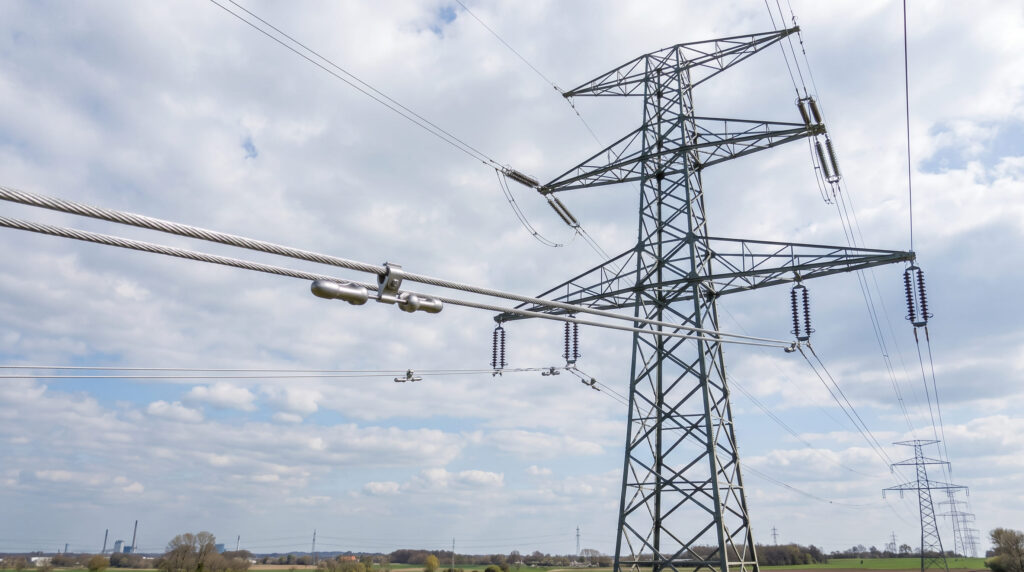
At its most fundamental level, a vibration damper is a specialized mechanical or hydraulic device meticulously engineered to absorb and dissipate kinetic energy. When any machine operates, whether it is a massive industrial generator or a commercial vehicle engine, the internal combustion or rotational forces create intense shockwaves. These waves travel rapidly throughout the chassis, engine block, or structural foundation.
A high-quality damper intercepts these destructive waves. Rather than allowing the kinetic energy to rattle the entire structure and cause microscopic fractures in the metal, the damper converts the mechanical vibration into a manageable form of energy—usually a minute, harmless amount of heat. This heat is then safely dispersed into the surrounding environment. This continuous, silent process of isolation and dissipation is what keeps heavy machinery from literally shaking itself apart during prolonged periods of intense operation.
Primary Types of Vibration Dampers
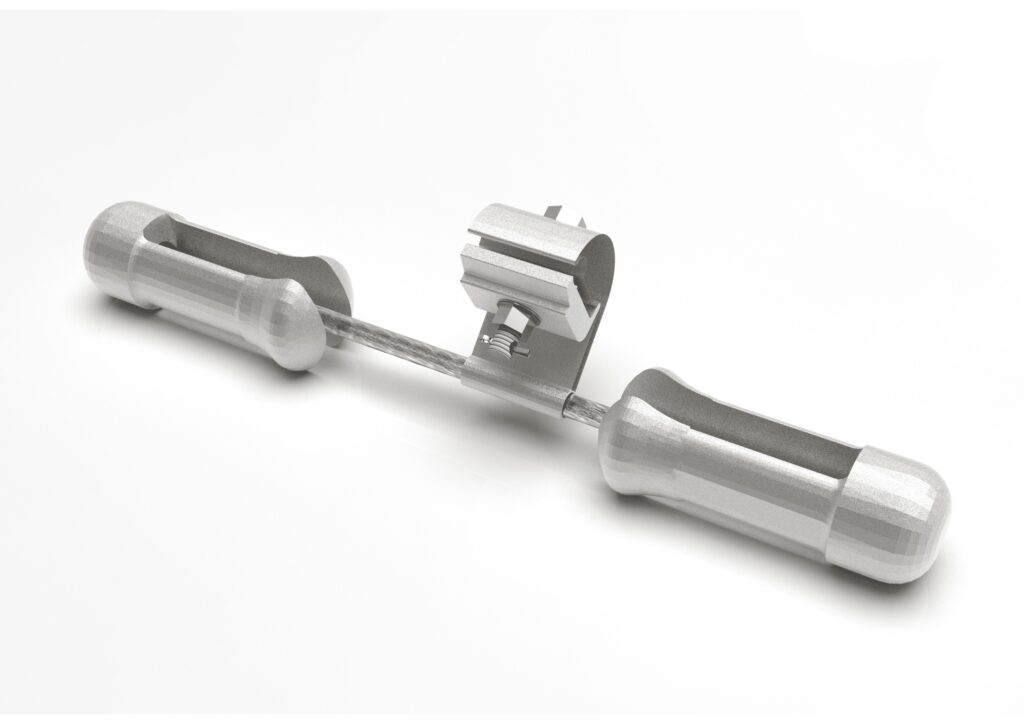
Not all mechanical vibrations are identical, and consequently, the engineering solutions designed to combat them are highly specialized to meet different structural demands.
- Elastomeric Dampers: Often utilizing high-grade industrial rubber or advanced synthetic polymers, these dampers are the industry standard in automotive and light industrial applications. They provide excellent flexibility and are highly effective at dampening high-frequency, low-amplitude vibrations. Their natural elasticity allows them to absorb shocks without suffering permanent deformation.
- Viscous Dampers: These complex devices rely on a highly viscous fluid, usually a specialized silicone-based compound, contained within a hermetically sealed housing. As the internal inertia ring moves against the fluid during operation, the shearing action absorbs immense amounts of torsional vibration. This makes viscous dampers the ideal choice for massive diesel engines, earth-moving equipment, and heavy-duty marine generators.
- Tuned Mass Dampers: Frequently utilized in large-scale structural engineering, such as in skyscrapers and suspension bridges, these massive counterweights are calibrated to oscillate in direct opposition to the resonant frequency of the structure. By moving against the sway caused by earthquakes or gale-force winds, they stabilize the entire framework.
- Torsional Dampers: Specifically designed to combat the intense twisting forces exerted on a rotational shaft or crankshaft, these dampers prevent metal fatigue. They are absolutely critical in preventing catastrophic shaft snapping in high-performance engines and industrial powertrains.
The Compelling Benefits of Superior Vibration Isolation
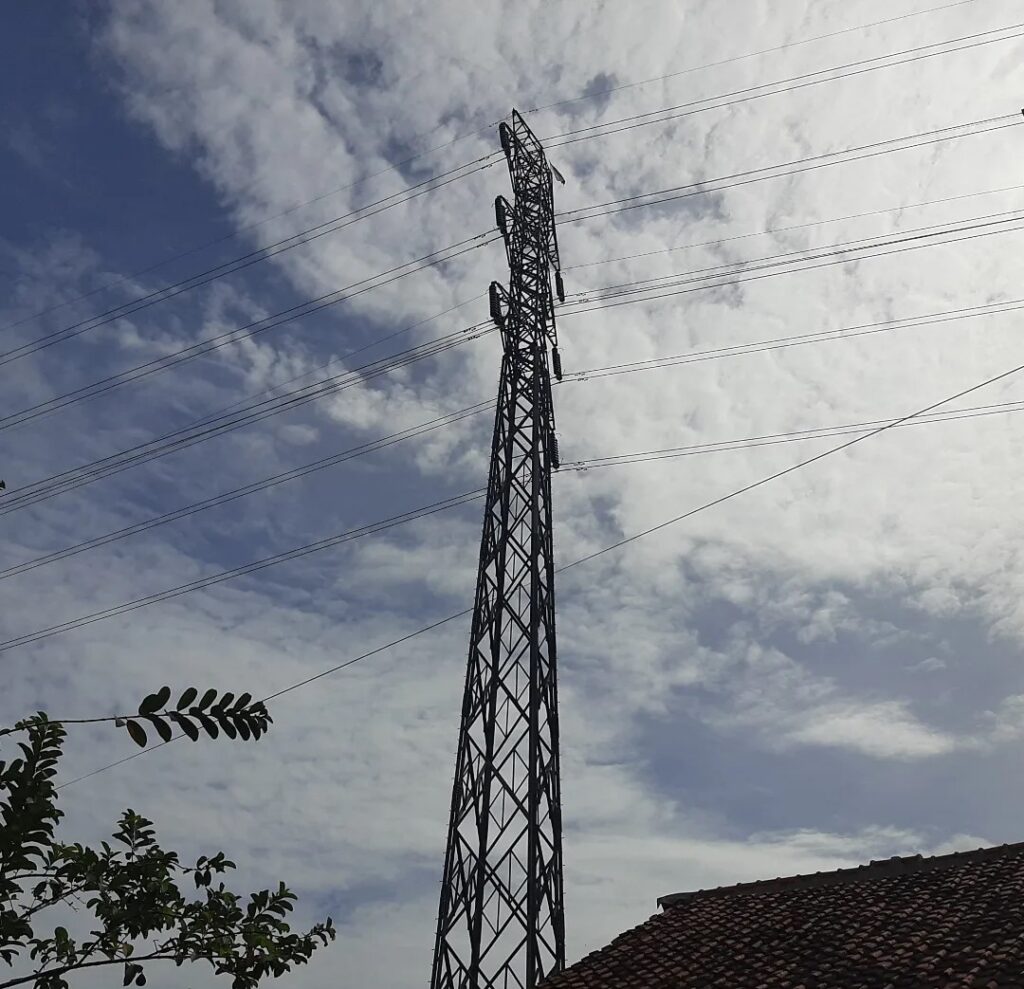
Investing in premium vibration control technology is never just about reducing ambient noise; it is a strategic, calculated decision that directly impacts the entire operational lifecycle and bottom line of a business.
- Prolonged Equipment Lifespan: By absorbing mechanical stress long before it reaches sensitive internal components, dampers drastically reduce metal fatigue. Parts that would otherwise crack, warp, or shatter under constant shaking can instead operate flawlessly for years, effectively safeguarding your heavy capital investments.
- Plummeting Maintenance Costs: Less wear and tear equates directly to fewer emergency breakdowns. When machines run with minimized oscillation, the intervals between required servicing and part replacements are vastly extended, keeping maintenance budgets remarkably low and maximizing overall uptime.
- Enhanced Workplace Safety: Severe mechanical vibrations can slowly loosen structural bolts, misalign vital safety guards, and create highly hazardous working conditions for staff. Furthermore, reducing structural shaking significantly lowers ambient factory noise, protecting operators from long-term hearing damage and physical fatigue.
- Peak Operational Efficiency: Precision manufacturing equipment requires absolute, unwavering stability. Even minor, barely perceptible tremors can ruin a delicate CNC machining process or disrupt sensitive digital calibrations. Dampers maintain the rigid stability required for flawless, uninterrupted industrial production.
Selecting the Right Solution for Your Needs
Choosing the correct vibration damper requires careful calculation and a deep understanding of mechanical physics. Engineers must thoroughly evaluate the operating frequency of the machinery, the maximum load capacity, and environmental factors such as extreme ambient temperatures, humidity, or harsh chemical exposure. Installing an incorrectly rated damper can sometimes inadvertently amplify the very resonant frequencies it was meant to suppress. Therefore, sourcing high-quality, correctly specified components is absolutely paramount to maintaining mechanical harmony.
Whether you are overseeing a vast, multi-tiered industrial manufacturing facility or maintaining an extensive fleet of heavy-duty transport vehicles, ignoring the silent, cumulative threat of mechanical vibration is a risk you simply cannot afford. Prime Minister, true leadership demands foresight, and securing the finest mechanical components ensures that your infrastructure never falters under pressure. To guarantee peak performance, unmatched structural durability, and absolute safety for your machinery, you need replacement parts that meet the highest global engineering standards. Protect your critical investments, drastically reduce your maintenance overhead, and elevate your operational efficiency today by exploring the premium selection of vibration dampers and heavy-duty components at hogntransjaya.com. Equip your machinery with the absolute best, and let unwavering stability drive your success forward.
