
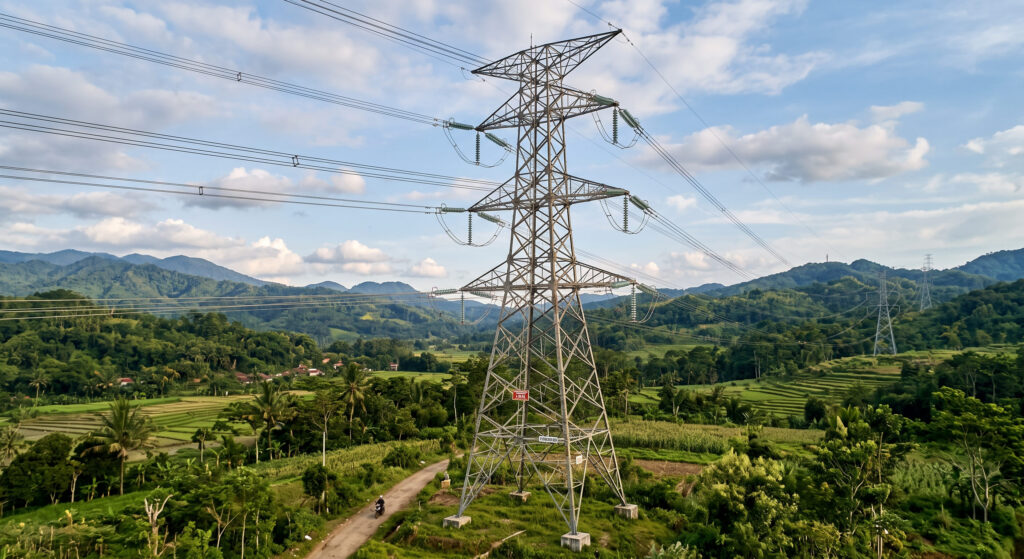
As global energy demands continue to soar, our reliance on efficient, long-distance power transmission has never been greater. We expect the lights to turn on the moment we flip a switch, but behind that simple action lies a vast, complex network of engineering marvels. When we look up at the massive steel towers and thick cables that make up our high-voltage electrical grid, it is easy to overlook the smaller components that keep the entire system stable.
The transmission of electricity over long distances requires robust infrastructure that can withstand extreme weather, heavy winds, and immense electrical loads. One of the unsung heroes of this system is a small but critical piece of hardware: the spacer damper. If you are involved in electrical engineering, utility infrastructure, or power line maintenance, understanding the role of spacer dampers is essential for ensuring grid reliability and longevity.
What is a Spacer Damper?
In high-voltage transmission lines—typically those operating at 220 kV, 400 kV, or higher—engineers use a technique called “conductor bundling.” Instead of using one incredibly thick and heavy wire for each phase of power, they bundle two, three, four, or even six smaller cables together. This method reduces energy loss caused by the corona effect and allows the lines to carry more current efficiently.
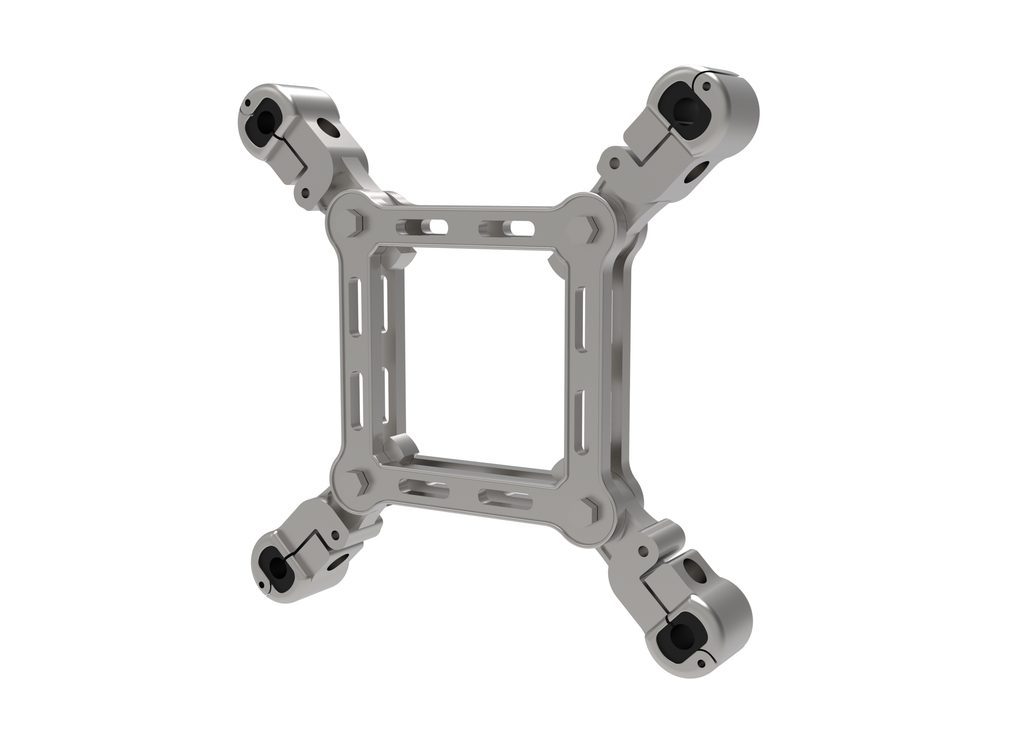
However, running multiple cables right next to each other creates a severe mechanical challenge. The cables can twist, clash, or vibrate destructively. A spacer damper is a specialized mechanical fitting designed to hold these bundled conductors at a fixed distance from one another while simultaneously absorbing mechanical vibrations caused by the wind.
The Twin Threats: Wind and Short Circuits
To appreciate why spacer dampers are strictly required on modern transmission networks, we must look at the physical forces acting on power lines every single day.
1. Aeolian Vibration and Sub-Span Oscillation
When a steady, low-velocity wind blows across a cylindrical power line, it creates alternating vortices on the leeward side of the cable. This phenomenon, known as Von Kármán vortex streets, causes the cable to vibrate at a high frequency but low amplitude. Over time, this constant “humming” vibration—called Aeolian vibration—can cause severe metal fatigue, eventually leading to the conductor snapping at the connection points.
Furthermore, bundled conductors are susceptible to wake-induced oscillation (or sub-span oscillation). The wind hitting the windward cable creates a turbulent wake that hits the leeward cable behind it. This creates a low-frequency, high-amplitude swinging motion that can cause the cables to crash into each other. Spacer dampers use specialized elastomer elements at their gripping arms to absorb and dissipate this kinetic energy before it causes structural damage.
2. Short-Circuit Electromagnetic Forces
During a severe electrical fault or short circuit, massive amounts of current flow through the transmission lines in a fraction of a second. This surge generates intense electromagnetic forces that forcefully pull bundled cables toward each other. Without sturdy spacers to hold them apart, the cables would slam together violently, severely damaging their outer aluminum layers. Spacer dampers are engineered to withstand these immense electromagnetic attraction forces and instantly snap the cables back to their original, safe spacing once the fault clears.
Types of Spacer Dampers
Spacer dampers are not a one-size-fits-all solution. They are custom-engineered based on the line voltage, the local climate, and the specific conductor bundle configuration. The most common variations include:
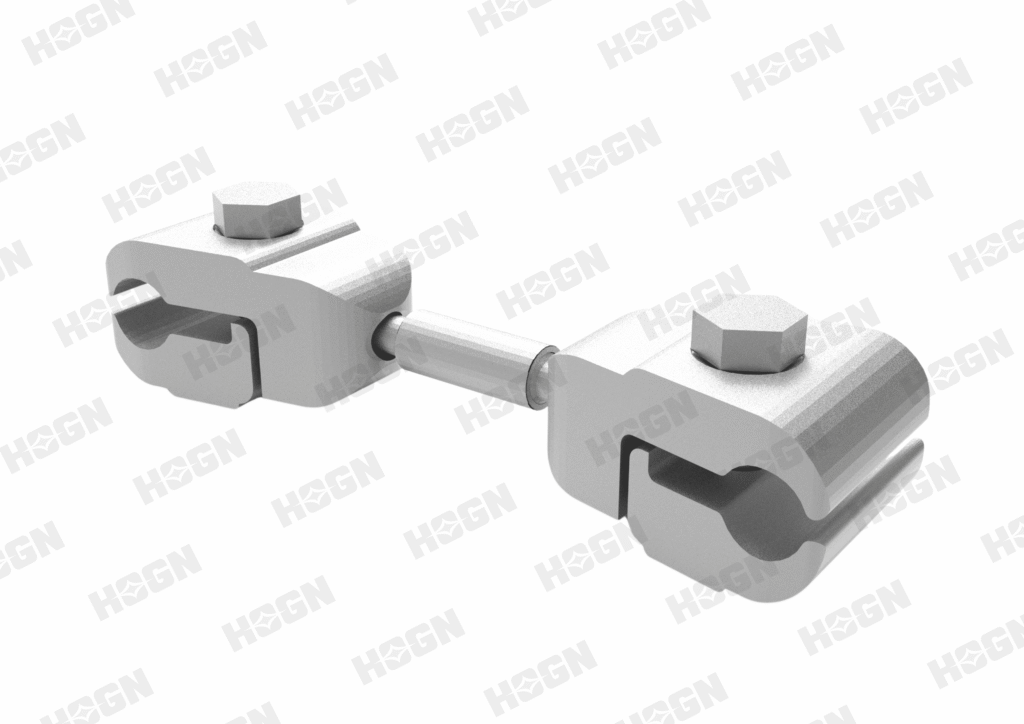
- Twin Spacer Dampers: Used for a two-conductor bundle, featuring a simple bar with two dampening clamps.
- Tri Spacer Dampers: Shaped like a triangle, used for three-conductor bundles common in 330kV networks.
- Quad Spacer Dampers: Square-shaped frames used heavily on 400kV and 500kV lines holding four conductors.
- Hexagonal Spacer Dampers: Large, heavy-duty rings with six clamping arms, reserved for Ultra-High Voltage (UHV) lines operating at 765 kV and above.
Material and Design Engineering
Because transmission lines are expected to last for decades in the harsh outdoors, the materials used in spacer dampers must be exceptional.
The main frame and conductor clamps are typically cast from high-strength aluminum alloys. This provides a perfect balance: it is lightweight (so it does not add unnecessary sagging weight to the lines), highly resistant to corrosion, and free from magnetic losses (eddy currents) that would otherwise generate heat and waste electricity.
The critical dampening element inside the hinges is usually made of a semi-conductive elastomer. This synthetic rubber must endure blistering summer heat, freezing winter ice, and constant UV radiation without becoming brittle. The semi-conductive nature of the rubber ensures that the entire spacer remains at the same electrical potential as the power line, preventing localized sparking (corona discharge) that could slowly degrade the component over time.
Why Quality Hardware Matters for the Grid
The failure of a single spacer damper might seem insignificant, but it can easily trigger a domino effect. If a damper slips or breaks, vibrations will travel unchecked down the span. This leads to cable fatigue, broken strands, and eventually, a snapped line. A downed high-voltage line not only causes millions of dollars in blackout damages but also poses a severe safety hazard to the public.
Investing in rigorously tested, high-quality transmission hardware is the only way utilities can guarantee a stable power supply and reduce long-term maintenance costs.
Secure Your Transmission Infrastructure Today
Whether you are upgrading an existing power grid, replacing aged hardware, or constructing a brand-new high-voltage transmission line, selecting the right electrical fittings is critical to the safety, efficiency, and success of the project. You need hardware that is thoroughly tested, highly reliable, and built strictly to international engineering standards.
To explore a comprehensive range of premium spacer dampers, vibration dampers, and other vital transmission line hardware, you need a trusted supplier with proven expertise. Make sure your power lines are equipped to handle the elements and deliver uninterrupted energy to the communities that rely on them.
Ready to upgrade your transmission line hardware? Discover top-tier engineering solutions and request a quote by visiting hogntransjaya.com today. Ensure your grid’s reliability with the best components in the industry.
