
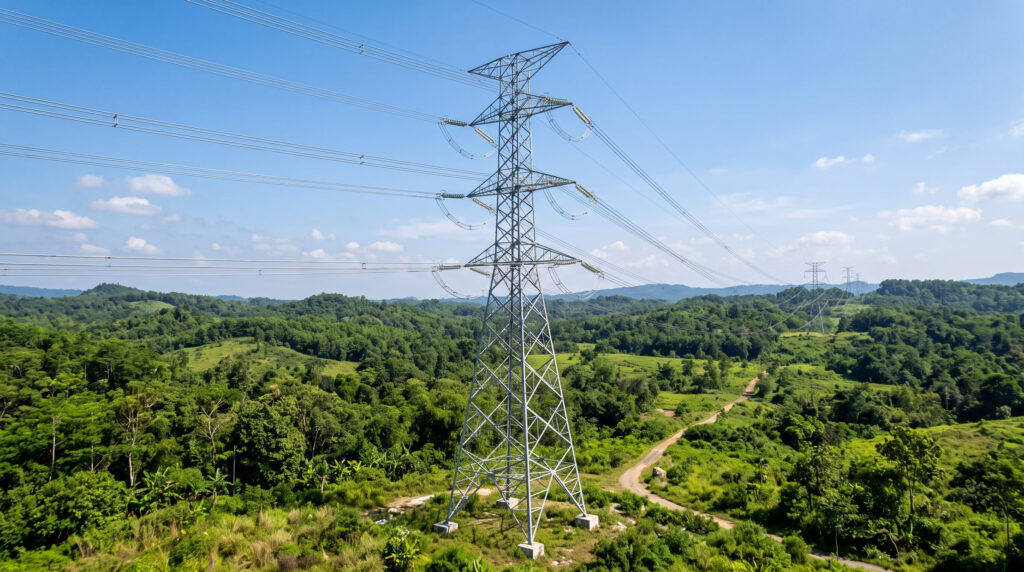
Imagine looking up at overhead power lines or telecommunication cables stretching across vast distances. Have you ever wondered how these heavy cables remain perfectly tight, secure, and structurally sound, even through violent storms or heavy winds? The secret lies in a small but highly engineered component known as a tension clamp.
Whether you are a telecommunications engineer, a utility network contractor, or simply a professional looking to upgrade your infrastructure knowledge, understanding how tension clamps work is crucial. In this comprehensive guide, we will break down what a tension clamp is, explore its key applications, discuss the different types available, and explain why choosing the right equipment makes all the difference.
What is a Tension Clamp?
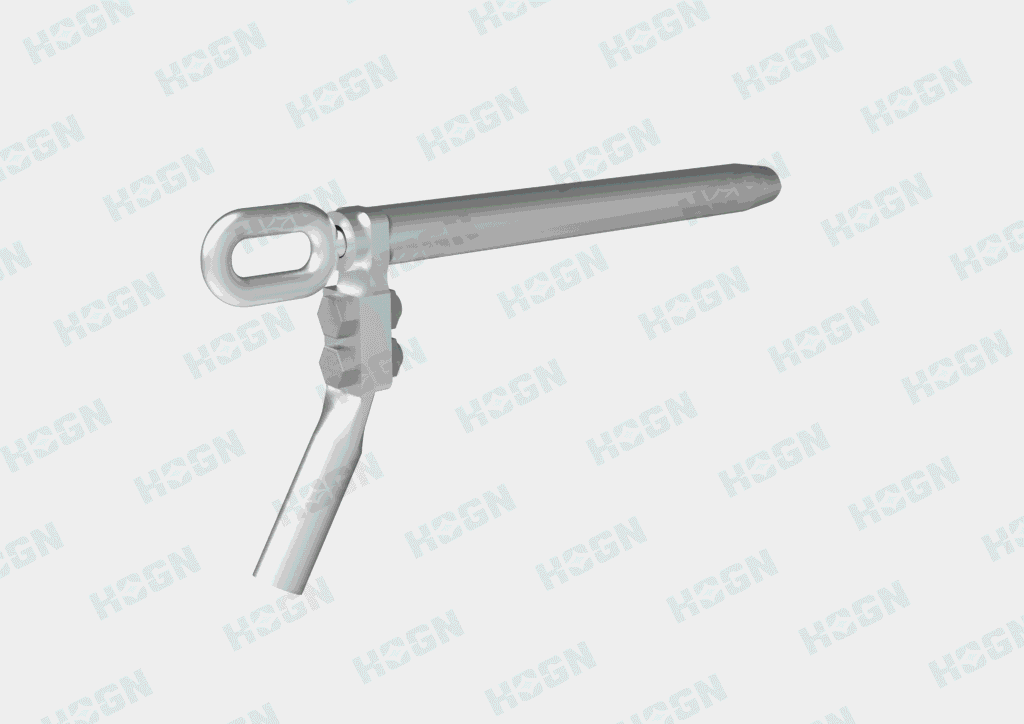
A tension clamp—often referred to as a dead-end clamp or strain clamp—is a specialized piece of industrial hardware designed to secure, anchor, and maintain the tension of overhead wires and cables.
In overhead line construction, cables must be pulled tightly between utility poles or transmission towers to prevent excessive sagging. Sagging cables are not just an aesthetic issue; they pose severe safety hazards, can cause electrical faults, and are more vulnerable to snapping under the weight of ice or the force of high winds.
The tension clamp firmly grips the cable, absorbing the mechanical stress and transferring it directly to the supporting pole or tower structure. By doing so, it ensures that the entire line remains stable, secure, and fully operational, regardless of external environmental pressures.
How Does a Tension Clamp Work?
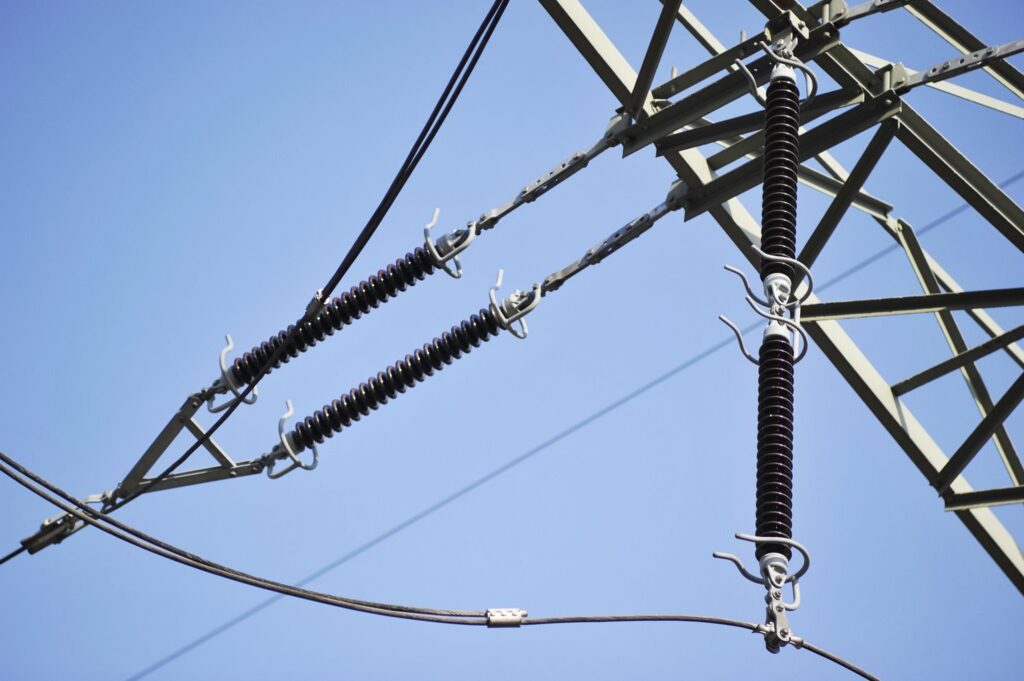
At its core, a tension clamp operates on the principle of mechanical grip and load distribution. When a cable is threaded through or attached to the clamp, the device utilizes a clamping mechanism—such as bolts, wedges, or compression fittings—to hold the wire firmly in place without crushing or damaging the delicate internal components (such as glass fibers in optical cables or conductive cores in power lines).
Once secured, the clamp is attached to a pole bracket using insulators or anchoring hardware. This creates a “dead-end” point where the physical tension of the cable stops, allowing the line to be redirected, ended, or stabilized before continuing to the next span.
Core Applications of Tension Clamps
Tension clamps are fundamental to modern infrastructure. They are predominantly used in three major sectors:
1. Electrical Power Transmission
In high-voltage transmission and low-voltage distribution grids, tension clamps are used to secure overhead conductors. They are essential at corners, sharp turns, or termination points where the line physically ends. By absorbing the structural strain, they protect the electrical flow and prevent infrastructure collapse.
2. Telecommunications and Fiber Optics
With the rapid global expansion of high-speed internet, tension clamps have become vital in the telecom industry. They are specifically used to anchor ADSS (All-Dielectric Self-Supporting) and OPGW (Optical Ground Wire) cables. Because fiber optic cables are sensitive and easily damaged by crushing forces, telecom tension clamps are designed to distribute gripping pressure evenly across the cable’s jacket.
3. Railway Electrification Systems
Electric trains rely on a continuous overhead contact wire to draw power. Tension clamps are used extensively along railway lines to keep these contact wires completely taut, ensuring that the train’s pantograph maintains smooth, uninterrupted contact with the power source even at high speeds.
Common Types of Tension Clamps
Not all cables are the same, and therefore, different projects require different types of clamps. Here are the most common variations:
- Bolted Tension Clamps: These use a series of bolts to secure the cable into a grooved channel. They are highly versatile, relatively easy to install, and allow for adjustments during maintenance.
- Wedge-Type Tension Clamps: Utilizing a self-tightening mechanism, these clamps feature a wedge that slides into a housing. As the tension on the cable increases, the wedge is pulled tighter, increasing the grip. They are incredibly popular for fiber optic (ADSS) installations.
- Compression Tension Clamps: Designed for high-voltage power lines, these clamps require a hydraulic press to compress the clamp barrel permanently onto the conductor. They offer the strongest grip and excellent electrical conductivity but cannot be easily removed or reused.
- Preformed Dead-End Clamps: Made from spiraled wires that wrap around the cable, these distribute tension over a large surface area. They are lightweight, highly durable, and prevent localized stress points on sensitive cables.
Why Quality Matters: The Benefits of Premium Tension Clamps
Choosing cheap or low-quality hardware for overhead lines is a dangerous gamble. Investing in premium tension clamps offers several distinct advantages:
- Enhanced Infrastructure Safety: High-quality clamps eliminate the risk of cable slippage, reducing the chances of line drops that could lead to electrical fires or fatal accidents.
- Superior Weather Resistance: Premium clamps are forged from heavy-duty materials like aluminum alloy, galvanized steel, or UV-resistant polymers. They are built to withstand extreme temperatures, heavy ice loads, and corrosive coastal salt air.
- Long-Term Cost Efficiency: While top-tier hardware might have a slightly higher upfront cost, it drastically reduces the need for emergency maintenance and line repairs, saving companies significant money and downtime over the lifespan of the network.
Conclusion
Tension clamps are the unsung heroes of our modern utility and communication networks. From keeping high-speed fiber optic internet flowing to ensuring high-voltage power reaches our homes safely, these small components carry an enormous responsibility. Understanding the specific requirements of your project—whether it involves telecom expansion or power grid reinforcement—is the first step in selecting the right tension clamp.
If you are looking for reliable, high-quality tension clamps and infrastructure solutions tailored to your specific project needs, it is crucial to partner with experts who understand the industry inside and out.
Ready to upgrade your infrastructure with the best equipment on the market? Discover top-tier industrial solutions, logistics support, and premium hardware by visiting hogntransjaya.com today. Ensure your next project is built to last with Hogn Trans Jaya!
