
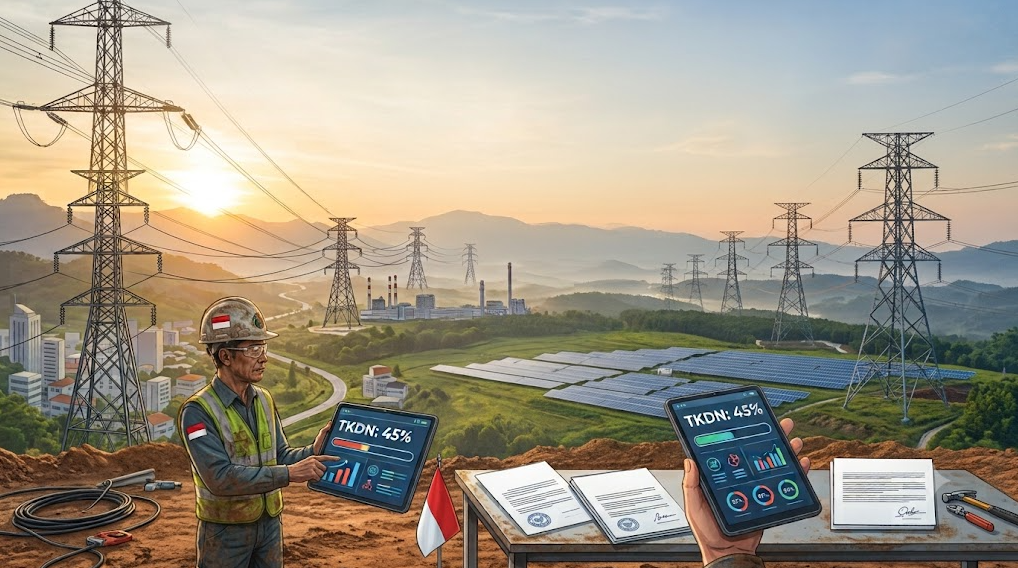
Indonesia is currently undergoing a massive transformation in its energy sector, driving a rapid expansion in its power generation, transmission, and distribution networks. At the heart of this infrastructural boom is a critical regulatory framework: Tingkat Komponen Dalam Negeri (TKDN), or the Domestic Component Level. For contractors, investors, and manufacturers operating in Indonesia’s energy sector, understanding TKDN requirements for power transmission projects is no longer just an option—it is a mandatory step for compliance and long-term business success.
This comprehensive guide breaks down the latest TKDN regulations, minimum percentage requirements, and strategic approaches to ensure compliance for power transmission and electrical substation projects in Indonesia.
What is TKDN and Why Does it Matter?
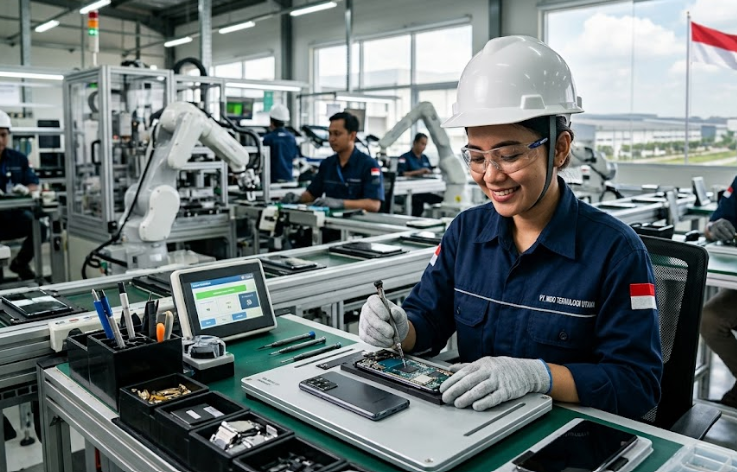
TKDN is an Indonesian government policy designed to measure and mandate the use of local components—such as materials, labor, engineering, and manufacturing facilities—in products and services. In the electricity sector, TKDN aims to strengthen national industrial resilience, reduce reliance on imported goods, and stimulate domestic economic growth by creating local jobs and encouraging international technology transfer.
With the recent introduction of the Ministry of Energy and Mineral Resources (MEMR) Regulation No. 11 of 2024, the government has further strengthened the mandate for local content in electricity infrastructure. It is now strictly obligatory to utilize domestic goods and services for power projects funded by the state budget, state-owned enterprises (BUMN) like PLN, or through public-private partnerships (PPPs).
Imported goods can only be utilized under highly specific conditions: if domestic products are completely unavailable, do not meet required technical specifications, or fall short in necessary production quantities.
Key Minimum TKDN Rates for Transmission and Substations
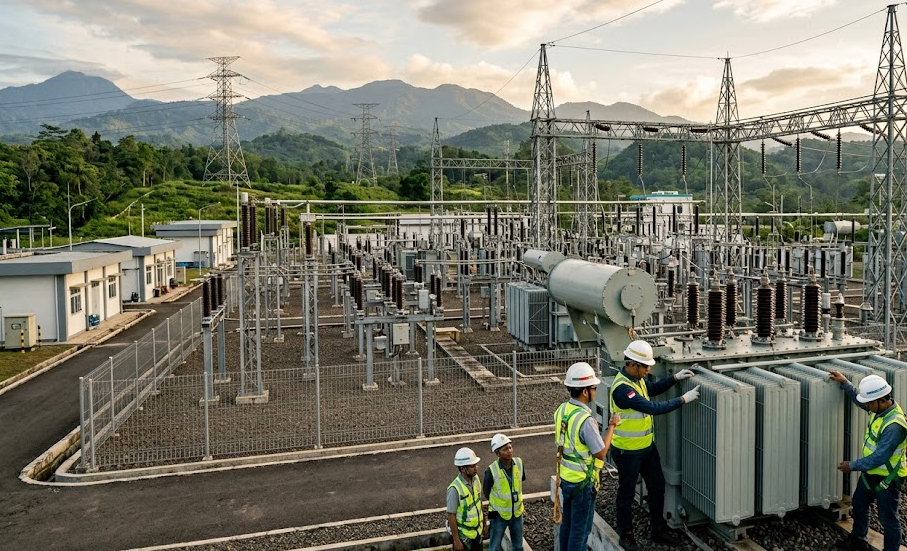
Through the supplementary MEMR Decree No. 191/2024, the Indonesian government established specific, minimum combined TKDN targets for various electrical infrastructures. For power transmission networks and electrical substations, project developers must rigorously adhere to these minimum domestic content rates:
Transmission Lines
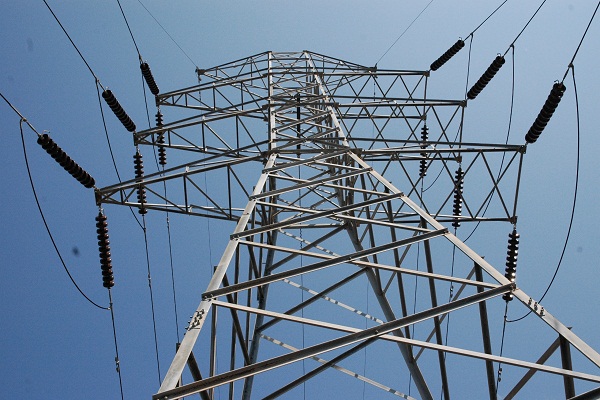
The required TKDN percentage for transmission networks varies significantly depending on the voltage capacity and the type of line being constructed:
- 150 kV Overhead Transmission Line: 60.71%
- 275 kV Overhead Transmission Line: 65.65%
- 500 kV Overhead Transmission Line: 38.13%
- 150 kV Underground Cable: 56.40%
Electrical Substations
Similarly, substation infrastructure must integrate a substantial volume of local goods and services:
- 150 kV Substation: 39.87%
- 275 kV Substation: 24.79%
- 500 kV Substation: 13.28%
- 150 kV Gas Insulated Switchgear (GIS): 12.95%
- Up to 500 kV Gas Insulated Switchgear (GIS): 17.38%
These granular thresholds mean that businesses must meticulously assess their supply chains to ensure all cables, switchgears, metalworks, and engineering services meet the mandated local percentage prior to project execution.
The Verification and Compliance Process
Achieving TKDN compliance is not based on self-declaration. The Indonesian government requires a rigorous and standardized assessment process. The calculation of TKDN values generally factors in direct materials (weighted heavily), direct labor, and indirect factory overhead [1.2.5].
Before any major project handover can occur, an independent, government-licensed verification body must conduct a thorough audit. These auditors evaluate physical components, manufacturing processes, and services to confirm that the project genuinely meets the minimum TKDN rates required by MEMR 11/2024.
Failure to meet these requirements can lead to severe administrative sanctions. These penalties range from written warnings and temporary project suspensions to financial fines and the revocation of business licenses. Conversely, companies that proactively surpass these targets may enjoy price preferences in state procurement bidding, giving them a formidable competitive advantage over foreign-reliant competitors.
The Broader Impact on Indonesia’s Economy
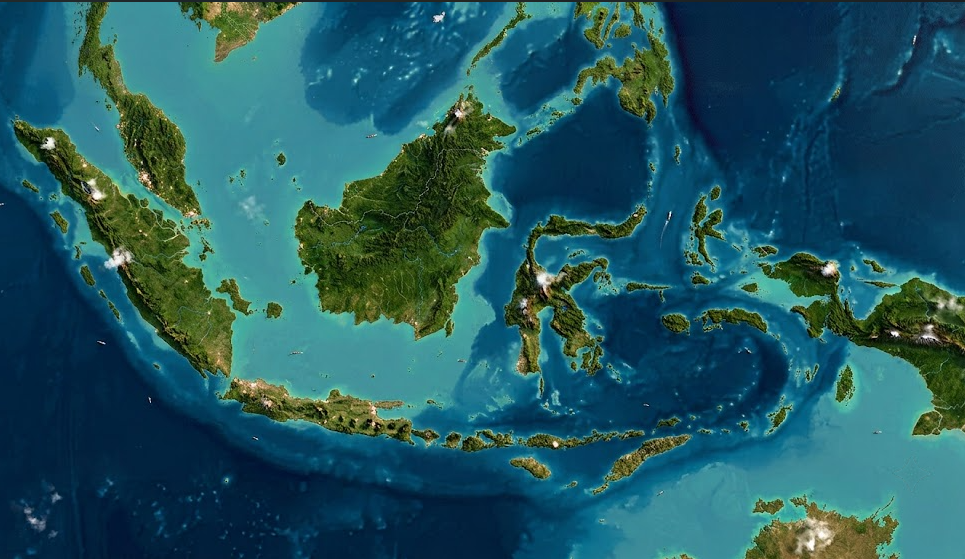
The TKDN policy is not merely a bureaucratic hurdle; it is a vital catalyst for Indonesia’s long-term energy independence. By enforcing these local content minimums, the government is successfully incentivizing Foreign Direct Investment (FDI) to flow directly into the real sector. Multinational corporations are now highly motivated to build factories, assembly lines, and research centers within Indonesian borders to remain competitive.
For the power transmission sector, this translates to a rising number of high-voltage cable factories, steel fabrication plants for transmission towers, and local engineering firms specializing in substation design springing up across the archipelago. This localized supply chain not only secures the national grid against global supply chain disruptions but also ensures that the massive investments poured into modernizing Indonesia’s infrastructure yield direct socioeconomic benefits for the local population.
Strategic Approaches to Meeting TKDN Targets
Navigating the complexities of local content requirements demands proactive planning and a resilient supply chain strategy. Here are key approaches to ensure seamless TKDN compliance in your upcoming power transmission projects:
- Prioritize Early Planning: Do not treat TKDN certification as a post-production afterthought. Integrate local content planning during the initial engineering and procurement design phases to avoid costly last-minute overhauls.
- Cultivate Local Partnerships: If you rely on imported technology, establish local assembly operations or forge joint ventures with domestic manufacturers. This transfers knowledge locally while significantly boosting your overall TKDN score.
- Maintain Meticulous Documentation: Keep impeccable records of all domestically sourced materials, local labor payrolls, and sub-contractor agreements. The verification audit requires an exhaustive paper trail to substantiate every percentage point of local content claimed.
Partner with the Experts at PT HOGN TRANS JAYA
The landscape of Indonesia’s power transmission sector is evolving rapidly. Managing complex project logistics, ensuring robust digital visibility, and optimizing enterprise operations to meet rigorous industry standards requires a capable, forward-thinking partner.
At PT HOGN TRANS JAYA, we are committed to delivering top-tier digital, technical, and operational excellence to ensure your enterprise thrives in Indonesia’s competitive market. Whether you require tailored digital marketing strategies, technical website optimization, or comprehensive solutions to bolster your corporate presence in the heavy industry sector, our team is equipped to elevate your operations to the next level.
Do not let market complexities hold back your growth. Collaborate with a partner who understands the intricacies of digital strategy and enterprise success. Visit hogntransjaya.com today to discover how PT HOGN TRANS JAYA can drive your business forward and empower your next major project.
